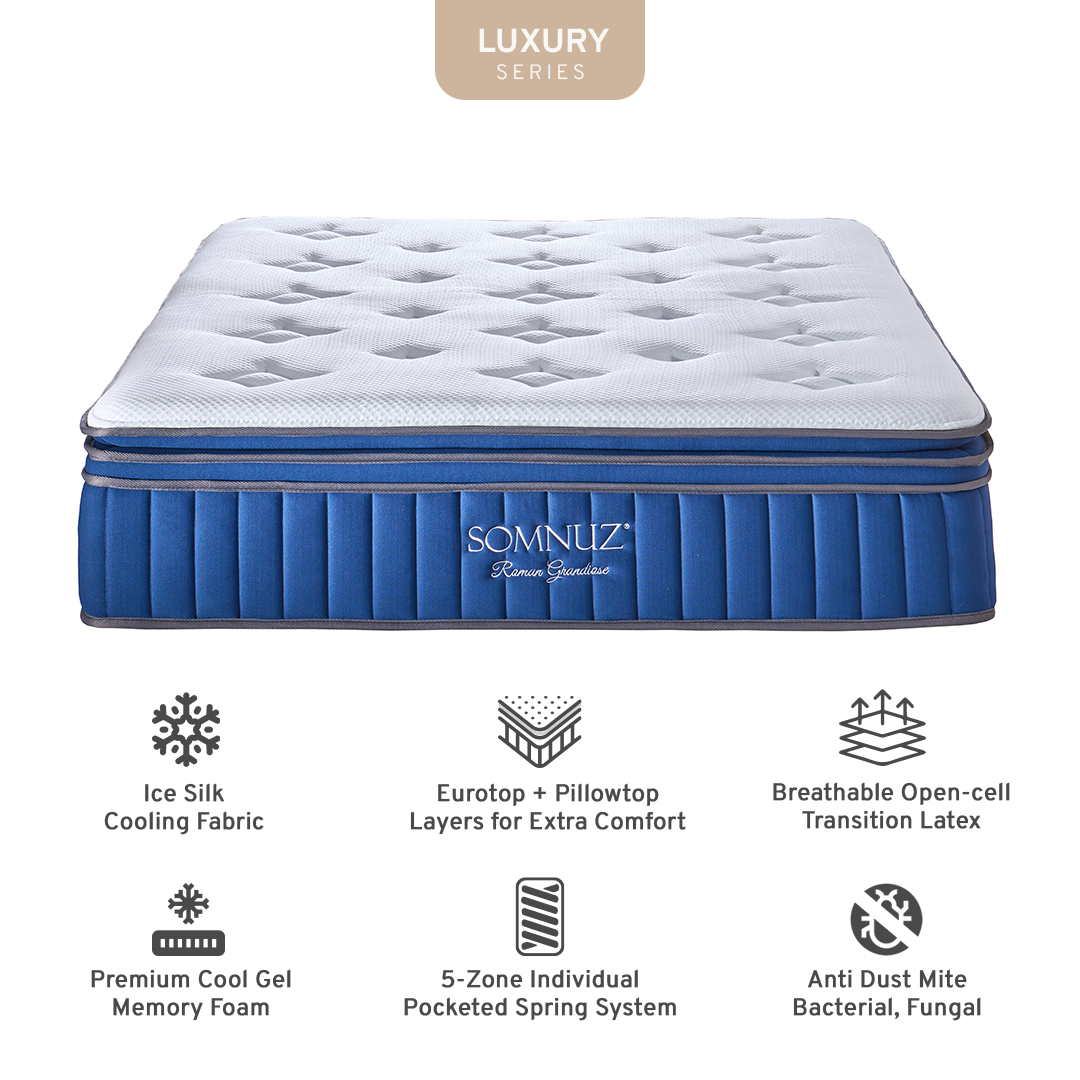


It is a compelling idea. Somewhere out there, there is a mattress so well designed, so perfectly constructed, that anyone who sleeps on it wakes up feeling genuinely rested. A universally comfortable mattress. The best in the world.
The honest answer is that no such mattress exists, and understanding why is actually the most useful thing you can take from this article.
Comfort in a mattress is deeply personal. It depends on how you sleep, your body weight and shape, whether you share the bed, the temperature of your bedroom, and dozens of smaller preferences that vary from person to person. A mattress that earns glowing reviews from thousands of people may feel completely wrong for you, and that is not a flaw in the mattress or in you. It is simply how comfort works.
What does exist is the most comfortable mattress for you specifically. Finding it is entirely achievable with the right information, and that is what this guide is for.
Why the Search for the World's Best Mattress Leads People Astray
When people search for the most comfortable mattress in the world, they are usually expressing a very reasonable desire: they want to stop waking up uncomfortable, they want to sleep through the night, and they want to feel rested in the morning. These are genuinely important goals.
The problem with framing it as a search for a single best mattress is that it points people towards rankings and lists rather than towards the self-knowledge that actually leads to a good buying decision.
Mattress rankings are typically based on aggregated reviews, which reflect the average experience of a large and varied group of people. Averages are useful for some decisions. For a mattress, they can be actively misleading. A mattress that suits a back-sleeping, average-weight individual sleeping alone in a cool room may be a poor choice for a side-sleeping couple in a warm Singapore bedroom.
The shift that leads to a better outcome is moving from asking which mattress is best in the world to asking which mattress is best for me. The rest of this guide is structured around that question.
What Actually Makes a Mattress Feel Comfortable
Before choosing a mattress, it helps to understand the specific qualities that drive comfort so you can evaluate them on your own terms.
Pressure relief is the first. A comfortable mattress distributes your body weight in a way that does not concentrate pressure at any single point. For side sleepers, this means adequate cushioning at the shoulder and hip. For back sleepers, it means support that allows the lower back to rest without tension. Poor pressure relief leads to the kind of aching and restlessness that builds across a night without you always being consciously aware of why.
Underlying support is equally important and often conflated with firmness. Support refers to how well the mattress keeps the spine in a neutral, comfortable alignment. A mattress can feel soft on the surface and still provide solid support underneath. Conversely, a mattress that is simply soft all the way through without structural integrity can feel comfortable initially but lead to discomfort as the body sinks out of alignment during the night.
Temperature regulation is a factor that many buyers underestimate until they experience it. In Singapore's warm, humid climate it is particularly relevant. A mattress that retains body heat creates a noticeably uncomfortable sleeping environment, regardless of how well it performs in other respects. Breathability is not a luxury feature in this climate. It is a practical necessity for consistent, comfortable sleep.
Motion isolation matters for anyone sharing a bed. If your partner's movement regularly disturbs you during the night, that disruption accumulates across hours of sleep and affects how rested you feel in the morning. A mattress that absorbs movement effectively gives both people a meaningfully better night.
How Different Materials Deliver Comfort in Different Ways
No single material is objectively the most comfortable. Each has distinct qualities that suit certain sleepers well and others less so. Here is an honest comparison.
Latex
Natural latex is one of the most consistently well-regarded materials for comfort across a wide range of sleepers. It has a buoyant, responsive quality that cushions the body without the deep sinking sensation of foam. It adjusts quickly as you move, which suits combination sleepers. It is naturally breathable and tends to sleep cooler than foam alternatives, which is a significant practical advantage in Singapore.
Latex is also durable. It holds its shape and support reliably over many years without developing significant body impressions, meaning the comfort you experience in the first year tends to remain consistent well into the mattress's lifespan.
Memory Foam
Memory foam responds to body heat and weight by contouring closely to the shape of the sleeper. For many people, particularly side sleepers, this close contact feels very comfortable as it reduces pressure at the hip and shoulder. The cradling quality of memory foam is often described as one of the most immediately comfortable sleeping sensations available.
The main consideration for Singapore is heat retention. Denser memory foam can accumulate warmth overnight. If you already tend to sleep warm, look for memory foam options with open-cell or ventilated construction that allows for better airflow through the material.
Pocketed Spring
A pocketed spring mattress uses individually wrapped coils that respond independently to weight and movement. The result is a supported, responsive surface with excellent airflow through the spring structure, which helps the mattress stay cool overnight.
For couples, pocketed spring construction offers strong motion isolation. Because each coil moves independently, movement on one side of the bed is largely absorbed before it reaches the other. This makes pocketed spring one of the most consistently comfortable choices for shared sleeping environments, particularly on a queen or king-sized surface.
The Role of Sleeping Position in Comfort
Your primary sleeping position shapes which mattress qualities matter most to you.
Side sleepers generally need a medium to medium-soft mattress that provides cushioning at the shoulder and hip. This reduces pressure at those contact points while maintaining the underlying support needed to keep the spine in line. Memory foam and softer latex options often suit side sleepers well.
Back sleepers tend to do best with a medium to medium-firm surface. The goal is a mattress that keeps the lower back supported without allowing it to sink, which can create tension over the course of a night. Pocketed spring and firmer latex options are often well matched to back sleeping.
Stomach sleepers generally need the firmest support of all three positions to prevent the hips from dropping below the rest of the body. A firm latex or spring mattress is usually the most appropriate choice here.
Combination sleepers who shift between positions benefit from a responsive mattress that adjusts as they move rather than holding them in a fixed position. Latex tends to excel for combination sleepers for this reason.
Comfort Across a Lifetime: Durability Matters Too
The most comfortable mattress is not just one that feels good on the first night. It is one that maintains that comfort consistently over years of use.
A mattress that develops significant body impressions or loses its support after two or three years creates a different sleeping surface than the one you chose. Comfort that degrades quickly is not really comfort at all over the full lifespan of the product.
This is one reason why material quality and construction matter alongside initial feel. Latex and well-made pocketed spring mattresses tend to hold their shape and support reliably over the long term. When evaluating any mattress, it is worth asking how it will feel in year five, not just on delivery day.
Finding Your Most Comfortable Mattress in Singapore
All of the above is genuinely useful context, but the most reliable way to find your most comfortable mattress is to experience the options directly.
Reading about pressure relief and temperature regulation gives you a framework. Lying on a mattress in your natural sleeping position and noticing how it feels under your specific body weight and shape is what actually tells you whether it is right for you.
At our mattress showroom in Singapore, you can try the full range across latex, memory foam, and pocketed spring options at your own pace. Our team is there to guide you based on your sleeping position, whether you share the bed, and any specific concerns you have, including Singapore's climate. There is no pressure to decide on the day.
For wider guidance on building a genuinely restful sleep environment beyond the mattress itself, our Sleep Well guide covers the practical factors that contribute to better sleep night after night.
Frequently Asked Questions
Is there genuinely a most comfortable mattress in the world?
No single mattress is universally the most comfortable because comfort depends on individual factors including sleeping position, body weight, temperature sensitivity, and whether you share the bed. The most useful goal is finding the most comfortable mattress for you specifically rather than seeking a universally rated best.
How do I know which mattress material will be most comfortable for me?
Start with your sleeping position and temperature sensitivity. Side sleepers generally benefit from softer, more cushioning materials. Back sleepers tend to need firmer, more supportive options. In Singapore's warm climate, breathability matters significantly. Latex and pocketed spring options generally sleep cooler than dense foam alternatives.
Why does a mattress that felt comfortable in a showroom feel different at home?
A showroom gives you a useful first impression but cannot replicate your actual sleeping conditions. Your bedroom temperature, your pillow, your usual sleeping position, and whether you share the bed all affect how a mattress feels over a full night. This is why a home trial period is valuable alongside a showroom visit.
Can two people find the same mattress comfortable if they have different preferences?
Often, yes. A medium-firm mattress that neither person finds extreme tends to work as a shared middle ground. Pocketed spring construction also accommodates different body weights and preferences reasonably well across the sleeping surface. If preferences differ significantly, a mattress with zoned support may help.
How long should a comfortable mattress stay comfortable?
A well-made mattress should maintain its comfort and support for seven to ten years with proper care. If a mattress develops visible body impressions or loses its support noticeably before that point, it is worth considering a replacement, as reduced support affects sleep quality even when the change happens gradually.
Does a higher price mean a more comfortable mattress?
Not directly. Comfort comes from how well a mattress matches your needs, not from its price. A well-chosen mattress at a considered price point that suits your sleeping position and preferences will serve you better than a more expensive option that does not. Focus on fit and material quality rather than price as a proxy for comfort.
Find What Comfortable Means for You
The most comfortable mattress in the world is the one that helps you sleep well in your own home, night after night, in a way that suits how you sleep.
Browse the Somnuz mattress collection to compare options across latex, memory foam, and pocketed spring, or visit our showroom to try the range in person with guidance from our team. We are here to help you find what genuinely works for you.