

There is a particular kind of comfort that a soft mattress offers. The feeling of sinking gently into a cushioned surface, pressure easing from the shoulders and hips, the sense of the bed conforming to your body rather than the other way around. For the right sleeper, a soft mattress is not an indulgence. It is the most practical choice available.
But soft mattresses are also one of the most misunderstood categories in bedding. People assume softer means better sleep, or that softness and support are opposites. Neither is quite accurate. A genuinely comfortable soft mattress is one that cushions the body well while still providing the underlying structure needed to keep the spine in a comfortable, neutral position. Getting both right is what separates a soft mattress that genuinely works from one that leaves you sinking and aching by morning.
This guide helps you understand what makes a soft mattress truly comfortable, who it suits, and what to look for when shopping in Singapore.
Soft Is Not the Same as Unsupported
This is worth establishing clearly before anything else, because it shapes every other decision in this guide.
Softness refers to how the surface of a mattress feels when you first lie on it. A soft surface gives way under pressure and cushions the body at its contact points. Support refers to the structural integrity underneath that surface, the ability of the mattress to keep the spine aligned and prevent the heavier parts of the body from sinking too deeply relative to lighter areas.
The most comfortable soft mattresses combine both. A plush, cushioning surface layer sits above a firmer support core that keeps the body in a sensible position throughout the night. This construction means you feel the comfort of a soft surface without the negative effects of sleeping without adequate support.
A mattress that is simply soft all the way through, without any structural support beneath the comfort layers, tends to feel wonderful for ten minutes and much less so by the third hour of sleep. It allows the hips and lower back to sink below the rest of the body, which creates the kind of discomfort that builds slowly and shows up as tension or soreness in the morning.
When you are evaluating a soft mattress, the question to ask is not just how soft is it, but what is underneath the soft layer.
Who Benefits Most From a Soft Mattress
Soft mattresses suit certain sleepers very well and others less so. Understanding which category you fall into is the most useful starting point.
Side sleepers are the group that benefits most consistently from a softer sleeping surface. When you lie on your side, the shoulder and hip are the primary contact points between your body and the mattress. A firmer surface creates pressure at these points that can lead to discomfort and disrupted sleep. A softer surface allows the shoulder and hip to sink slightly, which relieves that pressure and allows the rest of the spine to remain in a more comfortable position. Side sleepers who have been sleeping on a mattress that is too firm often notice the difference quickly when they switch to a well-constructed soft option.
Lighter-weight sleepers also tend to find soft mattresses more comfortable. Body weight determines how deeply a sleeper compresses the mattress layers. A lighter person will not sink into a medium or firm mattress in the same way a heavier person will, which means they may find those options feel harder than intended. A softer construction allows a lighter sleeper to compress the comfort layers adequately and feel the cushioning effect the mattress is designed to provide.
Those who sleep in cool rooms may also prefer softer options, as the materials do not need to manage heat retention as critically when the ambient temperature is already comfortable.
Back and stomach sleepers generally need more support than a soft mattress provides. A very soft surface tends to allow the lower back or hips to sink out of alignment for these positions, which creates discomfort over a full night. If you primarily sleep on your back or stomach, a medium-firm or firm option is likely to serve you better.
What Materials Make for the Most Comfortable Soft Mattress
Material choice determines how the softness feels, how well it is supported underneath, how it manages temperature, and how long it lasts. In Singapore's warm and humid climate, temperature regulation is a particularly important factor.
Soft Memory Foam
Memory foam is closely associated with soft comfort. It responds to body heat and weight by contouring closely to the body's shape, creating a cradling sensation that many sleepers find very comfortable. For side sleepers especially, this close contouring can feel like the mattress is meeting the body rather than pushing against it.
The practical consideration in Singapore is heat. Memory foam, particularly in its denser forms, can retain warmth overnight. If you sleep warm or run air conditioning only part of the night, this is worth factoring in. Look for memory foam options with open-cell construction or ventilation channels, which allow air to circulate through the material and help keep the sleeping surface cooler.
Soft Latex
A latex mattress in a softer configuration offers a different kind of comfort to memory foam. Natural latex has a springy, buoyant quality that cushions without the deep sinking sensation of foam. It responds quickly when you shift position, which makes it well suited to sleepers who move around during the night. It is also naturally breathable and tends to sleep significantly cooler than foam alternatives, making it a strong choice for Singapore's climate.
Soft latex also tends to be very durable. It holds its cushioning quality over time without developing the significant body impressions that can affect softer foam mattresses after a few years of use. For those who want softness that lasts, latex is worth serious consideration.
Pillow-Top and Euro-Top Pocketed Spring
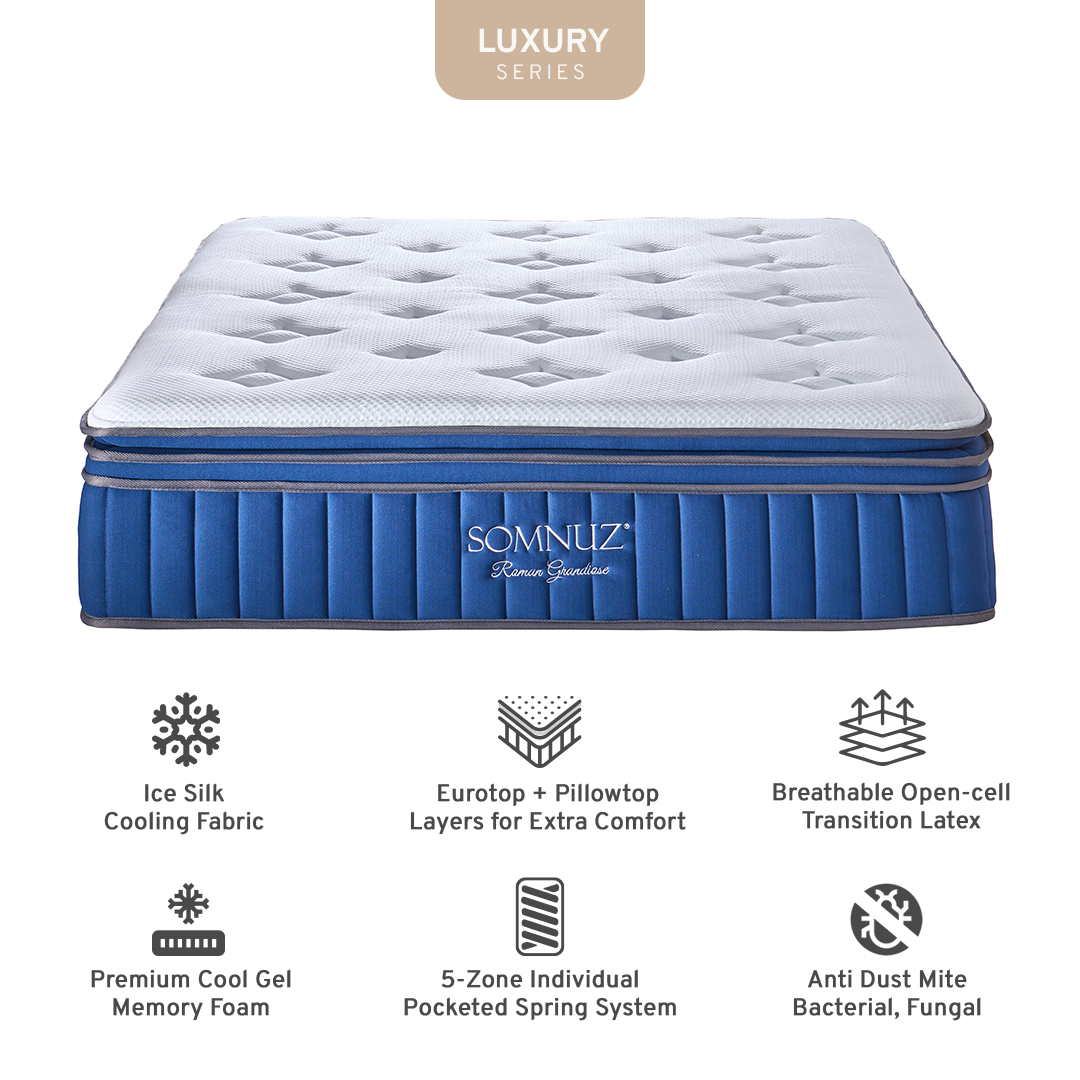
A pocketed spring mattress with a pillow-top or euro-top comfort layer combines the airflow and motion isolation benefits of pocketed spring construction with a soft, cushioned surface. The springs provide the underlying support while the comfort layer above delivers the plush, soft feel.
This construction manages heat particularly well because air can circulate through the spring structure beneath the comfort layer. For couples, pocketed spring construction also means that movement on one side of the bed is absorbed independently at each coil, reducing disturbance across the sleeping surface. If you are sharing a bed and want a soft feel, a pillow-top pocketed spring option is often the most balanced choice.
Softness and Singapore's Climate
It is worth addressing this directly because it affects the soft mattress category in ways that are specific to sleeping in Singapore.
Warmth is the primary concern. Soft mattresses, particularly those using denser foam materials, can trap body heat and create an uncomfortable sleeping environment even in a room with air conditioning. Waking up feeling too warm is one of the most common complaints among sleepers who choose a soft foam mattress without considering breathability.
If you are drawn to a soft mattress, prioritise materials that cushion well while managing heat. Soft latex and pillow-top spring options both tend to perform better in warm climates than dense memory foam. If you prefer memory foam, ensure the specific mattress you are considering has adequate ventilation built into its construction rather than assuming all memory foam sleeps the same way.
How Soft Is Too Soft?
This is a question worth thinking through honestly before you buy.
A soft mattress that suits you well means you feel cushioned and comfortable from the moment you lie down, and you wake up without tension or soreness. The softness is working with your sleeping position rather than against it.
A mattress that is too soft for you tends to produce specific signals. You may feel as though you are fighting to change position during the night rather than moving naturally. You may wake with a persistent ache in the lower back or a sense that your hips are lower than your shoulders. These are signs that the soft surface is not being counterbalanced by adequate support underneath.
If you are unsure where your comfort sits on the firmness spectrum, trying different options in person is the most reliable way to find out. A few minutes on a well-constructed soft mattress in a showroom tells you far more than any description can.
Try the Difference in Person
The language around soft mattresses, cushioning, plush, pillow-top, medium-soft, can mean different things to different people and different manufacturers. The only reliable way to understand what a soft mattress actually feels like, and whether it is the most comfortable option for you, is to experience it directly.
At our mattress showroom in Singapore, you can try a range of options across different materials and softness levels in person, take the time you need, and get honest guidance from our team. Whether you are a confirmed soft mattress sleeper or you are not sure yet, the showroom is the most useful place to start.
For wider guidance on what contributes to restful sleep beyond the mattress itself, our Sleep Well guide covers the practical factors that shape sleep quality night after night.
Frequently Asked Questions
Is a soft mattress suitable for back sleepers?
Generally not. Back sleepers tend to need a medium to medium-firm surface to keep the lower back in a comfortable, supported position throughout the night. A soft mattress may allow the lower back to sink too deeply, creating tension that builds across a full night of sleep. If you primarily sleep on your back, a medium or medium-firm option is likely to be more comfortable over time.
Can a soft mattress cause back discomfort?
It can, if the mattress lacks adequate support beneath the soft comfort layer. A mattress that is simply soft all the way through without a firmer support core may allow the heavier parts of the body to sink out of alignment, which can lead to tension in the lower back. A well-constructed soft mattress has a supportive core beneath the plush surface, which cushions without compromising alignment.
Do soft mattresses wear out faster than firm ones?
Soft comfort layers can compress with use over time, which may cause a soft mattress to feel firmer after several years than it did when new. The rate at which this happens depends significantly on material quality. A soft latex mattress tends to hold its cushioning quality more durably than softer foam options. Choosing a well-made mattress from a reputable source helps ensure the softness remains consistent over the product's lifespan.
Is a soft mattress a good choice for couples?
It depends on both people's preferences and sleeping positions. If both partners are side sleepers or lighter in weight, a soft mattress may suit both of them well. If one partner prefers a firmer feel, a medium option or a pocketed spring mattress with a pillow-top layer can sometimes bridge the gap. Trying options together in person is the best way to find a shared solution.
How does Singapore's climate affect soft mattress choice?
Warmer, more humid nights make heat retention a genuine concern. Soft memory foam in particular can trap body heat. If you are considering a soft mattress in Singapore, look for options made from breathable materials such as natural latex or a pillow-top pocketed spring construction, both of which provide soft comfort while managing temperature more effectively than dense foam.
What is the difference between a pillow-top and a euro-top mattress?
Both add a soft comfort layer on top of the mattress, but they differ in construction. A pillow-top layer is stitched on top of the mattress cover and has a slight gap between the layer and the mattress edge. A euro-top is sewn flush with the mattress edge, creating a more even profile. Both can feel very comfortable. The difference is mainly aesthetic and in how evenly the soft layer extends to the edges of the mattress.
Find Your Most Comfortable Soft Mattress
A soft mattress that is also genuinely well-supported can be one of the most comfortable sleeping surfaces available, for the right sleeper and the right situation.
Browse the Somnuz mattress collection to compare options across materials and comfort levels, or visit our showroom to try the range in person and find what genuinely feels right for you. We are here to help you choose with confidence.