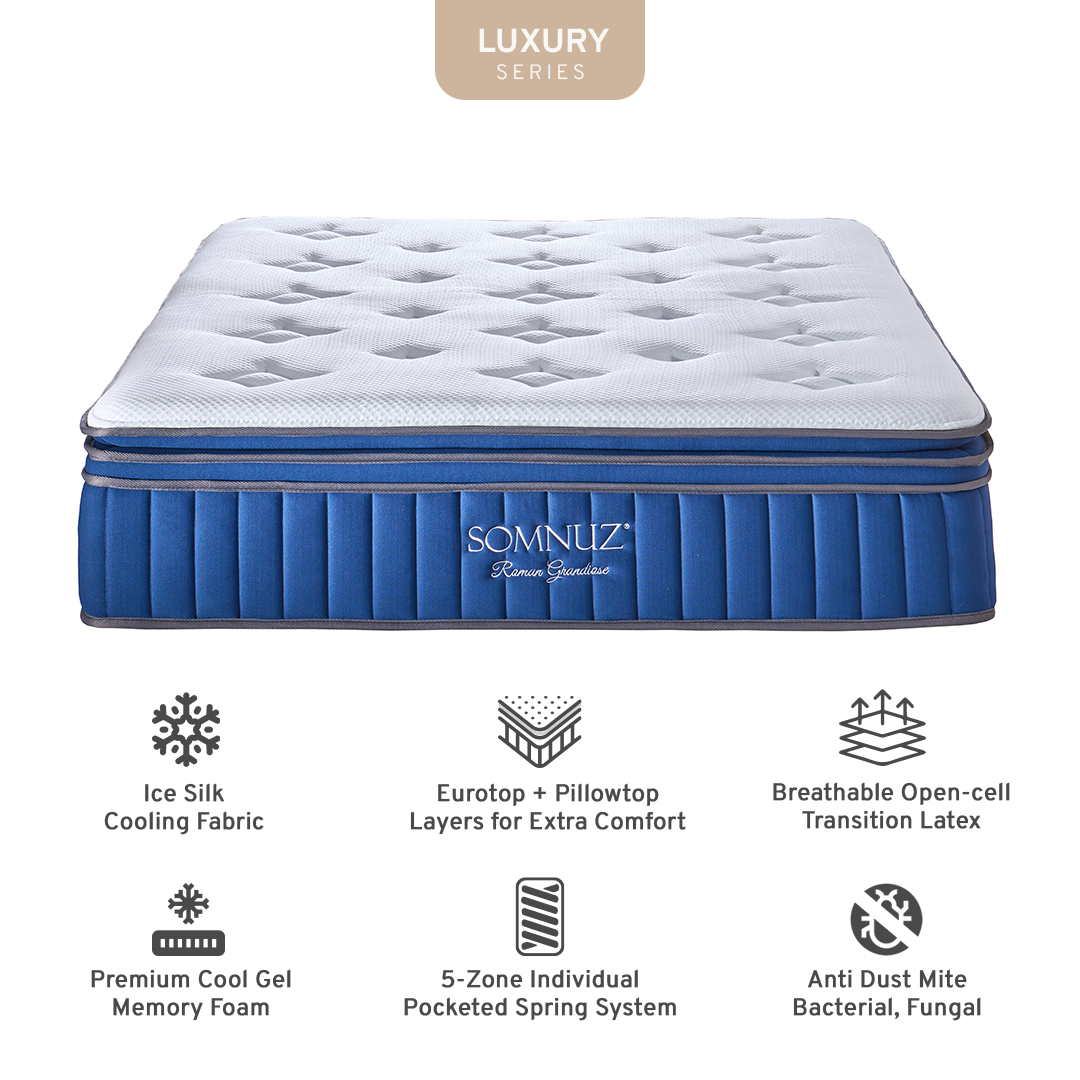


The thickness of single mattress options can affect comfort, bed height, sheet fit, support, and how practical the bed feels in a room. Many shoppers check the width and length first, but depth is just as important.
In Singapore, single mattresses are often used in children’s rooms, teen bedrooms, guest rooms, helper rooms, and compact solo bedrooms. Because these rooms may also need storage, study space, or walking space, the mattress should be practical as well as comfortable.
A thicker single mattress may feel more cushioned and substantial. A thinner single mattress may be easier to handle and may suit certain bed frames. The right thickness depends on the sleeper, mattress design, bed frame, and how often the bed is used.
This guide explains what mattress thickness means and how to choose the right single mattress depth for your home.
What Is the Usual Thickness of Single Mattress Options?
The thickness of single mattress options can vary widely. Some thinner mattresses may be around 10 cm to 15 cm. Many standard mattresses may be around 20 cm to 25 cm. Thicker mattresses may be around 25 cm to 30 cm or more.
There is no one correct thickness for every sleeper. A child’s occasional mattress may not need the same depth as an adult’s daily mattress. A guest mattress may need enough comfort to feel welcoming. A teen’s mattress may need more support as they grow.
In Singapore, a standard single mattress is commonly around 91 cm by 190 cm in width and length. Thickness should be checked separately.
For local sizing, Somnuz’s single mattress size guide can help with width and length planning.
Why Mattress Thickness Matters
Thickness affects how the bed feels and functions.
Comfort Layers
A thicker mattress may have more room for comfort layers. These layers can affect softness, cushioning, and pressure comfort.
However, more layers do not always mean better comfort. The quality, firmness, and arrangement of layers matter too.
Support
Support comes from the mattress structure, not thickness alone. A thicker mattress may include a stronger support system, but this depends on the design.
A good mattress should feel stable and comfortable across the surface.
Bed Height
Mattress thickness changes how high the bed feels. This matters for children, older family members, and anyone who sits on the edge of the bed often.
Bedding Fit
A thicker mattress may need deeper fitted sheets and protectors. A thinner mattress may need bedding that fits more closely to avoid wrinkling.
Thin vs Thick Single Mattress
Both thin and thick single mattresses can be useful, depending on the purpose.
Thin Single Mattress
A thin single mattress may suit temporary use, bunk beds, daybeds, or occasional guest setups. It can be easier to move and may keep bed height lower.
However, it may not provide enough cushioning or support for daily adult sleep.
Thick Single Mattress
A thicker single mattress may feel more substantial and comfortable for everyday use. It may suit teens, adult guests, or solo sleepers who want better cushioning.
However, it may make the bed too high if paired with a tall frame.
Choosing Thickness by Sleeper
The sleeper should guide the decision.
Children
Children may not need a very thick mattress, but the bed should still feel comfortable and supportive. Bed height should also be safe and easy to use.
Teens
Teens may benefit from more support and comfort than younger children. A medium thickness or thicker single mattress may feel more suitable as they grow.
Adult Guests
If adults will use the mattress, avoid choosing something too thin. A mattress used for guest comfort should feel more supportive than a simple temporary mat.
Daily Solo Sleepers
If a single mattress is used every night by an adult, choose thickness and support carefully. Some adults may prefer super single width if the room allows.
Mattress Type and Thickness
Different mattress types use thickness differently.
A memory foam mattress may use foam layers for cushioning and support. It can feel softer or more contouring depending on the design.
A latex mattress may feel responsive and breathable, even with a different layer structure.
A pocketed spring mattress may need enough depth to include springs and comfort layers above them.
You can compare our mattresses to understand how different materials affect comfort and support.
Thickness and Singapore Weather
Singapore’s humid weather makes breathability important. A thicker mattress may include more layers, which can feel warmer depending on the materials.
Look for breathable covers and use suitable bedding. Avoid heavy protectors if they make the mattress feel too warm. Keep the room ventilated, especially in compact bedrooms.
Somnuz’s Sleep Well guide can help with practical ideas for airflow and bedding.
Bed Frame and Thickness
The bed frame can change how mattress thickness feels.
A low frame with a thicker mattress may feel balanced. A tall frame with a thick mattress may become too high. A bunk bed may need a thinner mattress for safety rail clearance. A storage bed may affect airflow underneath.
Always check the bed frame height and support base before choosing mattress thickness.
How to Choose the Right Thickness
Start with the purpose of the mattress. Is it for a child, teen, adult guest, or daily sleeper? Then check the bed frame height, room layout, bedding depth, and preferred comfort feel.
Do not choose by thickness alone. A single mattress should feel supportive, breathable, and suitable for the person using it.
For daily sleep, comfort and support should come first. For occasional use, storage and practicality may matter more.
Choosing With Confidence
The thickness of single mattress options affects comfort, bed height, bedding, support, and daily use. A thin mattress may be practical for temporary setups. A thicker mattress may feel better for regular sleep.
For Singapore homes, the right thickness should fit the room, bed frame, climate, and sleeper. It should feel comfortable without making the bed awkward to use.
If you are unsure, browse the full Somnuz mattress collection or visit our showroom for calm, practical guidance.
Frequently Asked Question
What is the normal thickness of single mattress options?
Single mattress thickness can vary widely, often from around 10 cm to 30 cm or more depending on design and use.
Is a thicker single mattress better?
Not always. A thicker mattress may feel more cushioned, but support, materials, firmness, and construction matter more than thickness alone.
What thickness is good for a child’s single mattress?
It depends on the bed frame and child’s needs. The mattress should feel comfortable and supportive while keeping the bed at a safe, practical height.
Does mattress thickness affect bed height?
Yes. The final bed height includes both the bed frame and mattress thickness.
Do thicker single mattresses need special sheets?
They may need deeper fitted sheets. Always check mattress depth before buying bedding.