

A thin mattress is not always a compromise. For certain sleeping setups, a low-profile mattress is the practical and sometimes even the preferred choice. The challenge is distinguishing between a thin mattress that is well-made for a specific purpose and a thin mattress that is simply cheap.
This article covers the situations where a thin mattress works well, what to look for, and what to avoid.
What Counts as a Thin Mattress?
There is no fixed definition, but mattresses under 15 cm in height are generally considered thin or low-profile. Some fall in the 8 to 12 cm range. A standard adult mattress in Singapore typically sits between 20 and 30 cm. A thin mattress is noticeably flatter in comparison and sits closer to the base or floor.
When a Thin Mattress Makes Sense
Bunk Beds
Bunk beds have height constraints between the upper and lower bunk. A mattress that is too thick on the upper bunk raises the sleeper uncomfortably close to the ceiling or to a guard rail. Most bunk bed manufacturers specify a maximum mattress thickness, often between 12 and 15 cm. A well-constructed thin mattress in this context is not a compromise, it is the right choice for the setup.
Trundle Beds
Trundle beds are designed to roll under a standard bed frame when not in use. The clearance between the floor and the underside of the main bed limits how thick the trundle mattress can be. A thin mattress of 8 to 12 cm fits into this space. If the trundle is used primarily for occasional guests rather than nightly sleeping, this thickness is acceptable.
Tatami and Floor Setups
Japanese-style sleeping arrangements use thin mattresses, or futons, placed directly on tatami mats. The mattress is rolled up and stored during the day and laid flat at night. This is a deliberate and practical setup where a thin, foldable mattress is the entire point. A standard thick mattress would not serve this function at all.
Children's Beds and Daybeds
Younger children do not require the same mattress depth as adults. A firmer, thinner mattress on a children's bed provides the right support level and is easier to handle for parents making the bed. Daybeds that serve dual function as seating and sleeping are also better suited to thinner mattresses that hold their shape and do not make the seating height awkward.
Platform Beds With Minimal Clearance
Some low-slung platform bed frames are designed aesthetically to sit close to the floor. A thick mattress on these frames can look disproportionate and raise the total sleeping height uncomfortably. A thinner mattress fits the visual proportions better and keeps the overall height at a usable level.
What to Look For in a Thin Mattress
Foam density matters even more in a thin mattress because there is less material overall to absorb body weight. A thin mattress with low-density foam compresses quickly and loses any meaningful cushioning. Look for higher-density foam in a thinner package rather than assuming all thin mattresses are equivalent.
For thin mattresses used in bunk or trundle applications, a firm to medium-firm feel usually works best. The limited depth means a softer foam would not have enough material to provide pressure relief without bottoming out.
Cover quality is important in any mattress but particularly in thinner ones because there is less material between the sleeper and the base. A breathable, washable cover improves comfort and extends the life of the mattress.
When a Thin Mattress Is the Wrong Choice
For a primary sleeping surface used nightly by an adult, a mattress under 15 cm typically does not provide enough depth for proper support and pressure relief. An adult body weight on a very thin mattress tends to compress through the comfort layer and rest against the base, which removes any benefit the foam was supposed to provide.
If the plan is to use a thin mattress as a main adult sleep surface to save money, it is worth reconsidering. The sleep quality difference between a well-constructed standard mattress and a very thin one is significant, and poor sleep has real effects on daily function and recovery.
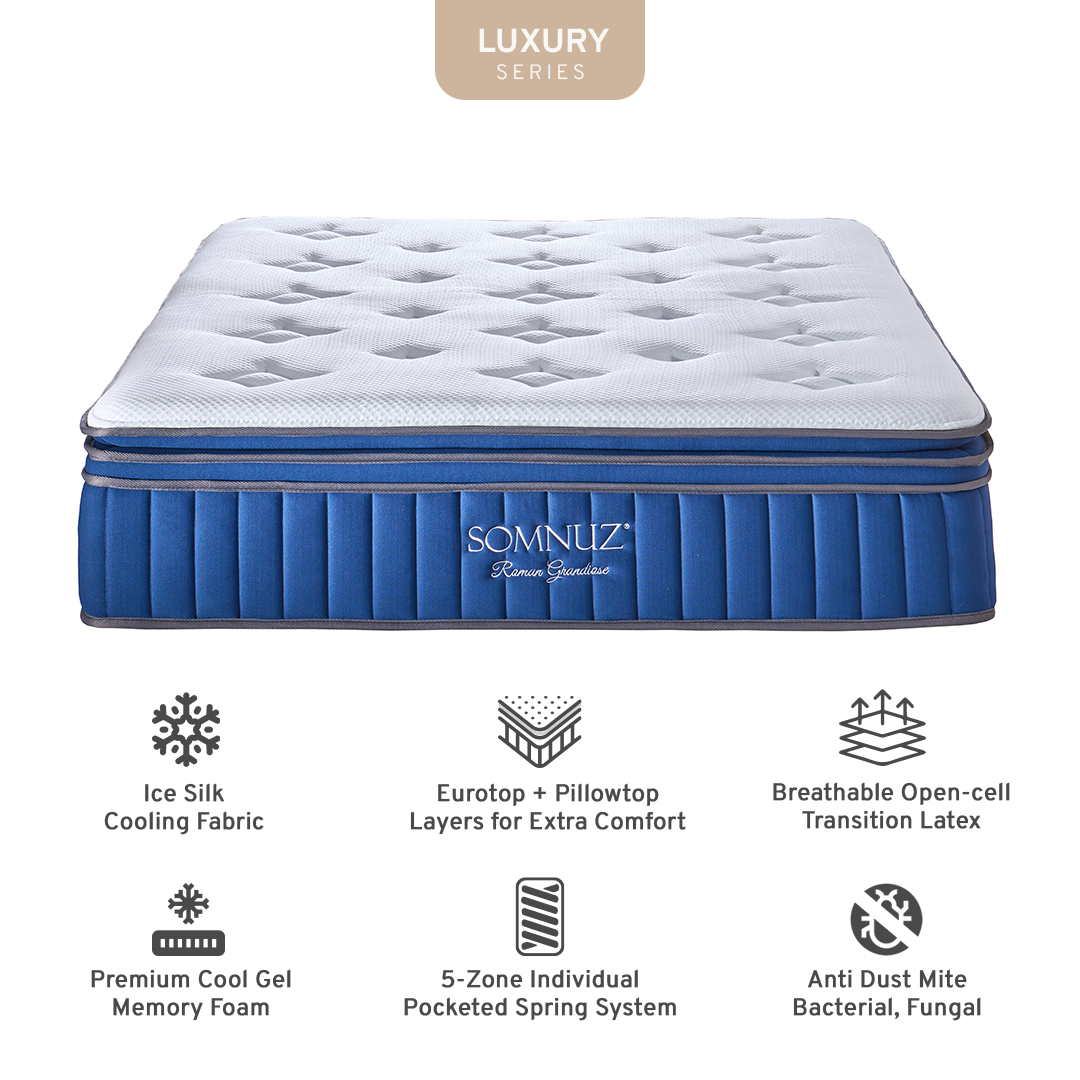
For a standard adult sleep setup, the Somnuz mattress collection covers options with proper depth across foam and spring constructions. The Somnuz Memory Foam Mattress is one of the more accessible starting points for a properly supported adult sleep surface.
For those who need something for a bunk or compact setup and want a proper brand rather than a generic option, it is worth asking the retailer whether their mattresses are available in lower-profile configurations. Some brands in the premium collection offer mattresses in thinner profiles for specific bed types.
Final Thoughts
A thin mattress is the right choice for bunk beds, trundles, floor setups, and specific children's or daybed applications. In those contexts, it solves a practical problem that a standard mattress cannot. For primary adult sleeping, it is usually not enough. Match the mattress thickness to the actual use case rather than defaulting to thin as a cost-saving measure, and you will end up with a much better result.