

Searching for types of mattresses for back pain usually means you want a mattress that feels more supportive, more comfortable, and less frustrating than your current bed. You may be waking with discomfort, noticing sagging, or wondering whether your mattress is too soft or too firm.
It is important to be clear. A mattress does not diagnose, treat, or cure back pain. If your discomfort is ongoing, severe, or linked to an injury or medical condition, speak with a qualified healthcare professional. What a suitable mattress can do is support sleep comfort by helping your body feel steadier and better matched to your usual sleeping position.
For Singapore sleepers, the right mattress also needs to suit humid weather, shared beds, room size, and everyday use. A mattress should feel supportive without being harsh, cushioned without being overly sinking, and breathable enough for local homes.
This guide explains the main mattress types to compare when looking for better back comfort.
What Should a Mattress for Back Comfort Do?
A mattress for back comfort should balance surface comfort with stable support. It should not feel like your body is sinking too deeply, and it should not feel so hard that you cannot relax.
The right mattress depends on your sleeping position, body weight, preferred feel, bed base, and whether you share the bed.
Firmness is only one part of the decision. Material, support system, motion control, breathability, and mattress age all matter too.
If you are comparing options, the full Somnuz mattress collection can help you review different mattress types for Singapore homes.
Memory Foam Mattresses
A memory foam mattress usually feels cushioned and contouring. It responds to body weight and creates a closer, more settled feel.
Why It May Help Comfort
Memory foam may suit sleepers who want cushioning around the body. Side sleepers may appreciate the way it softens contact around the shoulders and hips.
It can also help absorb movement, which may be useful for couples.
What to Watch For
Some memory foam mattresses can feel warmer because they contour closely. In Singapore’s humid climate, breathability should be checked carefully.
Also make sure the mattress has enough support underneath. A memory foam mattress that is too soft may feel sinking.
Latex Mattresses
A latex mattress often feels responsive, breathable, and gently lifted. It usually reacts faster than memory foam when you move.
Why It May Help Comfort
Latex may suit sleepers who want cushioning without a deep sinking feel. It can be useful for combination sleepers who change positions during the night.
It may also feel more breathable for some sleepers in Singapore’s warm weather.
What to Watch For
Latex can feel more buoyant than memory foam. If you prefer a slow, hugging feel, latex may not be your first choice.
Pocketed Spring Mattresses
A pocketed spring mattress uses individually wrapped springs that respond more independently to body weight.
Why It May Help Comfort
Pocketed springs can offer structured support and airflow through the mattress core. This may suit sleepers who want a steadier surface and easier movement.
They can also work well for couples because each spring responds more independently.
What to Watch For
The comfort layers above the springs matter. A pocketed spring mattress with too little cushioning may feel too firm for some sleepers, especially side sleepers.
Hybrid Mattresses
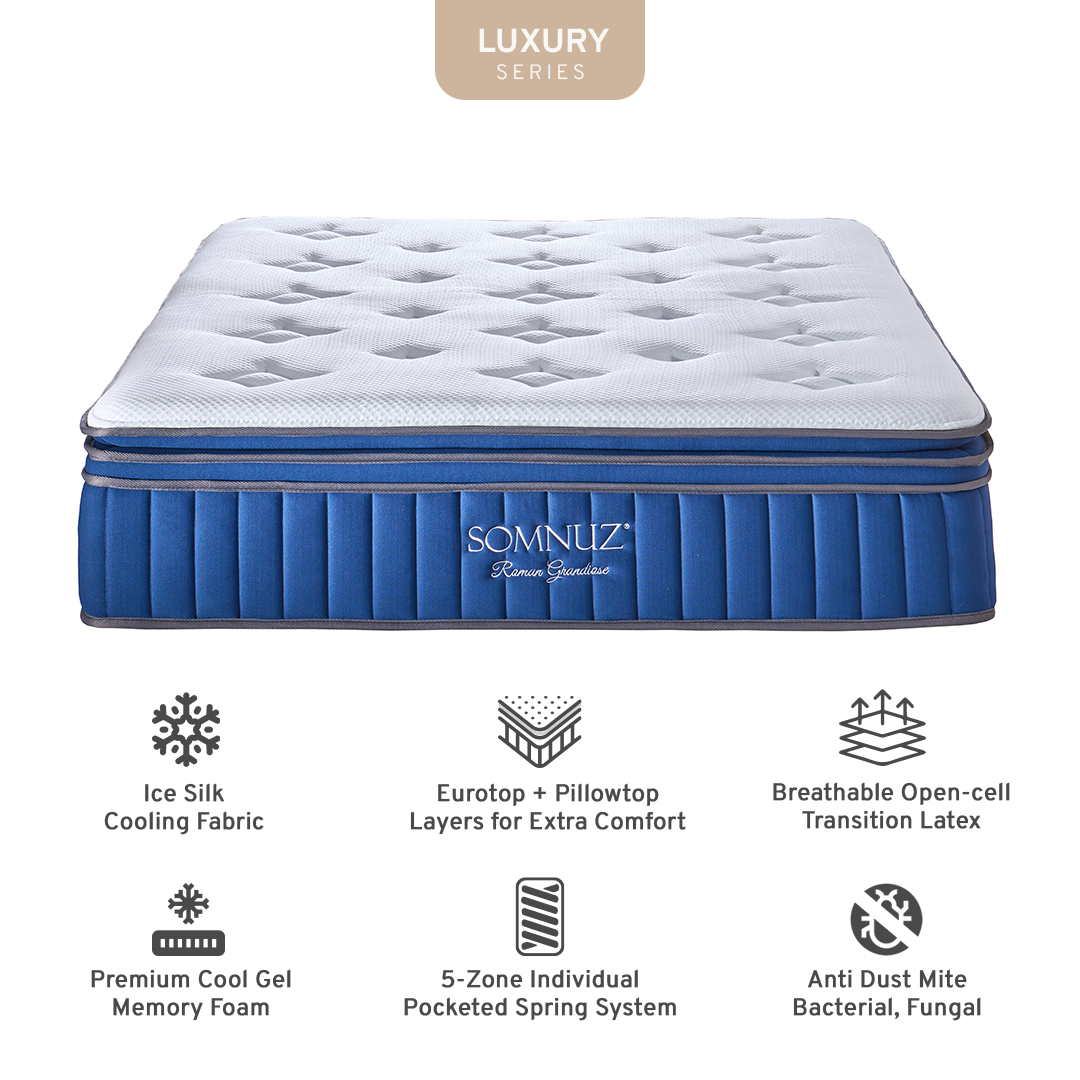
A hybrid mattress usually combines more than one material, such as foam, latex, and pocketed springs. The goal is to balance cushioning, support, and airflow.
Why It May Help Comfort
A hybrid design may suit sleepers who want comfort on top and support underneath. It can also be practical for couples with different preferences.
What to Watch For
Hybrid mattresses can vary widely. Always check the exact layers, firmness, breathability, and support structure before buying.
Firmness for Back Pain Concerns
Many people assume a very firm mattress is always best. This is not true for everyone.
Too Soft
A mattress that is too soft may allow the hips or centre of the body to sink too much. This can feel unstable.
Too Firm
A mattress that is too firm may feel harsh, especially around the shoulders, hips, or upper back.
Balanced Firmness
Medium or medium firm mattresses are often a practical starting point for many sleepers. However, side sleepers may need more cushioning, while back sleepers may prefer steadier support.
You can compare our mattresses to review different comfort levels and support types.
Sleeping Position Matters
Your sleeping position should guide your choice.
Back Sleepers
Back sleepers often prefer a mattress that feels steady and even. Medium firm may be a useful starting point.
Side Sleepers
Side sleepers may need more cushioning around the shoulders and hips. A mattress that is too firm may feel uncomfortable.
Combination Sleepers
Combination sleepers may prefer a responsive mattress that allows easy turning. Latex and pocketed spring designs may feel easier to move on than slow-sinking foam.
Singapore Climate and Breathability
In Singapore, breathability is important for comfort. A mattress that feels too warm may affect how settled you feel through the night.
Latex and pocketed spring designs may feel more airflow-friendly for some sleepers. Memory foam can still be comfortable, but warm sleepers should check the cover and construction.
Bedding also matters. Heavy protectors and thick blankets can make any mattress feel warmer.
Somnuz’s Sleep Well guide can help you think about airflow, bedding, and room comfort.
When Your Current Mattress May Need Replacing
If your current mattress is sagging, sinking, uneven, too soft, too hard, or no longer supportive, it may be affecting comfort.
A topper may improve surface feel, but it cannot properly fix a mattress that has lost support. If the mattress has deep dips or feels unstable, replacement may be more practical.
Choosing With Care
The main types of mattresses for back pain concerns include memory foam, latex, pocketed spring, and hybrid designs. Each feels different, and none is right for everyone.
Choose based on support, comfort, sleeping position, breathability, and room fit. Avoid extreme claims or one-size-fits-all advice. A mattress should help you feel supported and comfortable during rest, but it should not be treated as a medical solution.
If you want to compare different mattress types in person, you can visit our showroom for calm, practical guidance.
Frequently Asked Question
What are the main types of mattresses for back pain concerns?
The main types to compare are memory foam, latex, pocketed spring, and hybrid mattresses. Each offers a different balance of cushioning, support, and responsiveness.
Can a mattress cure back pain?
No. A mattress cannot cure or treat back pain. If pain is ongoing or severe, speak with a qualified healthcare professional.
Is memory foam good for back comfort?
Memory foam may feel comfortable for sleepers who like cushioning and contouring, but it should still have stable support underneath.
Is latex good for back comfort?
Latex may suit sleepers who want responsive support, breathability, and less sinking than memory foam.
Is a firm mattress always better for back pain?
Not always. A mattress should feel supportive, but very firm mattresses may feel harsh for some sleepers. Medium or medium firm options are often a practical starting point.