

There is nothing quite as discouraging as lying down at the end of a long day on a bed that feels too hard. Whether your mattress has always been on the firm side or has simply never felt quite right, waking up stiff and unrested is a sign that something needs to change.
A mattress topper is one of the most practical ways to adjust the feel of your bed without replacing the mattress entirely. But like any sleep solution, it works well in some situations and less well in others. This guide gives you a clear picture of what a topper can genuinely do, which types add the most softness, and how to decide if it is the right step for you.
Why Your Bed Might Feel Too Firm
Before looking at solutions, it helps to understand why your bed feels harder than you would like.
Some mattresses are simply made with a firmer construction. This suits certain sleepers very well, particularly those who sleep on their stomachs or who need strong spinal support. But for side sleepers or those who prefer a more cushioned feel, a firm surface can create pressure at the shoulders, hips, and knees, leading to broken sleep and discomfort by morning.
Mattresses can also feel firmer when they are new. Many spring and foam mattresses have a break-in period of several weeks before they reach their intended feel. If your mattress is relatively new and feels stiffer than expected, some of that may resolve with time and regular use.
For mattresses that have simply never matched your comfort preferences, or that have been in a guest room or spare space where softness was not a priority, a topper offers a practical and relatively straightforward adjustment.
What a Mattress Topper Can and Cannot Do
A topper adds a layer of material directly on top of your existing mattress, and that layer determines how the sleeping surface feels beneath you. A topper made from soft, cushioning material will noticeably change the feel of a firm surface, giving you more give and pressure relief when you lie down.
The key qualification is the same as when using a topper to firm up a bed: the underlying mattress needs to be structurally sound. If your mattress is worn out, sagging, or has developed body impressions from years of use, a topper will follow those contours rather than correct them. You will feel softness in some spots and not others, which is unlikely to improve your sleep in any meaningful way.
A topper works best when your mattress is still in good condition but the feel is not right for you. In that situation, the right topper can make a very real difference to how comfortable your bed feels night after night.
Which Types of Toppers Add the Most Softness
The material inside a topper determines how much softness it adds and how that softness behaves over time. Here is an honest look at the main options.
Memory foam toppers are one of the most popular choices for adding softness. Memory foam responds to body heat and weight, contouring closely to the shape of your body as you settle into it. This close contact can feel very comfortable for side sleepers in particular, as it cushions pressure points at the shoulder and hip. The main consideration in Singapore's warm climate is that memory foam can retain heat overnight. If you already sleep warm, look for options with open-cell or aerated construction to allow better airflow.
Soft latex toppers offer a different kind of softness. Latex has a naturally buoyant, springy quality that cushions the body without the deep sinking sensation of memory foam. It also tends to sleep cooler, which is a practical advantage in Singapore's humidity. A softer latex topper provides pressure relief with a more responsive feel, meaning it does not hold you in one position the way dense memory foam can.
Down and feather toppers add a soft, plush layer with a more traditional feel. They can be very comfortable for those who like a gentle, cushioned surface, though they offer less structured support than foam or latex. They also require more maintenance and may not suit those with allergies.
Wool and natural fibre toppers add a moderate amount of cushioning along with good temperature regulation. They are better suited to those who want a modest softening effect combined with breathability, rather than a dramatic change in feel.
For those curious about how latex performs as a mattress material more broadly, the Somnuz latex mattress collection gives a useful sense of its qualities and why it suits the Singapore climate well.
Matching Your Topper to Your Sleep Position
The way you sleep affects which type of topper will serve you best.
Side sleepers tend to benefit most from a softer topper that cushions the shoulder and hip. Memory foam or a softer latex topper are both well-suited here. The goal is to reduce pressure at those points without losing the underlying support that keeps the spine in a comfortable, neutral position.
Back sleepers generally need less softening. A very soft topper can allow the lower back to sink too deeply, which disrupts spinal alignment. A moderate topper that adds cushioning without deep contouring tends to work better. A medium-soft latex topper is often a good fit.
Stomach sleepers typically need the least softness of all three positions. If you sleep primarily on your stomach and find your mattress too firm, a very thin, light topper may take the edge off without allowing your hips to sink lower than your shoulders, which can cause discomfort over time.
Combination sleepers who shift between positions during the night tend to do well with a responsive topper, one that adjusts as you move rather than holding you in a fixed position. Latex is often a good match for this reason, as it responds quickly to movement.
Practical Things to Consider Before You Buy
A few details are worth checking before you order a topper, as they affect both comfort and practicality.
Thickness. Softer toppers are often available in various depths, typically between 2.5 cm and 7.5 cm. A thicker topper will add more cushioning, but it will also raise your overall sleeping height and require deeper fitted sheets. Check the pocket depth of your existing linen before buying.
Breathability in Singapore's climate. Warm, humid nights make heat retention a genuine concern. A topper that sleeps hot can undo the comfort benefit it adds. Latex tends to sleep cooler than dense memory foam. If warmth is already an issue for you, prioritise airflow alongside softness when choosing.
Topper stability. A topper that shifts around during the night disrupts sleep just as much as the original problem. Look for toppers with a non-slip base or corner straps to keep them securely in place on the mattress.
How long it will last. A well-made latex topper can hold its softness for several years. Memory foam tends to soften further with use over time, which may mean it feels very different after a year or two compared to when you first bought it. Factor this into your decision if you are thinking about it as a longer-term solution.
When a New Mattress Makes More Sense
A topper is a practical and sensible solution in many situations, but it is worth being honest about when it is not the most effective option.
If your current mattress is more than seven to eight years old and has lost its structural support, a topper is unlikely to give you the sustained improvement you are hoping for. An older mattress that has sagged or compressed unevenly will transfer those irregularities through the topper, limiting the benefit.
If you have tried adjusting your sleep environment in other ways and still consistently wake up uncomfortable, it may be time to consider whether the mattress itself is the issue rather than just the surface feel.
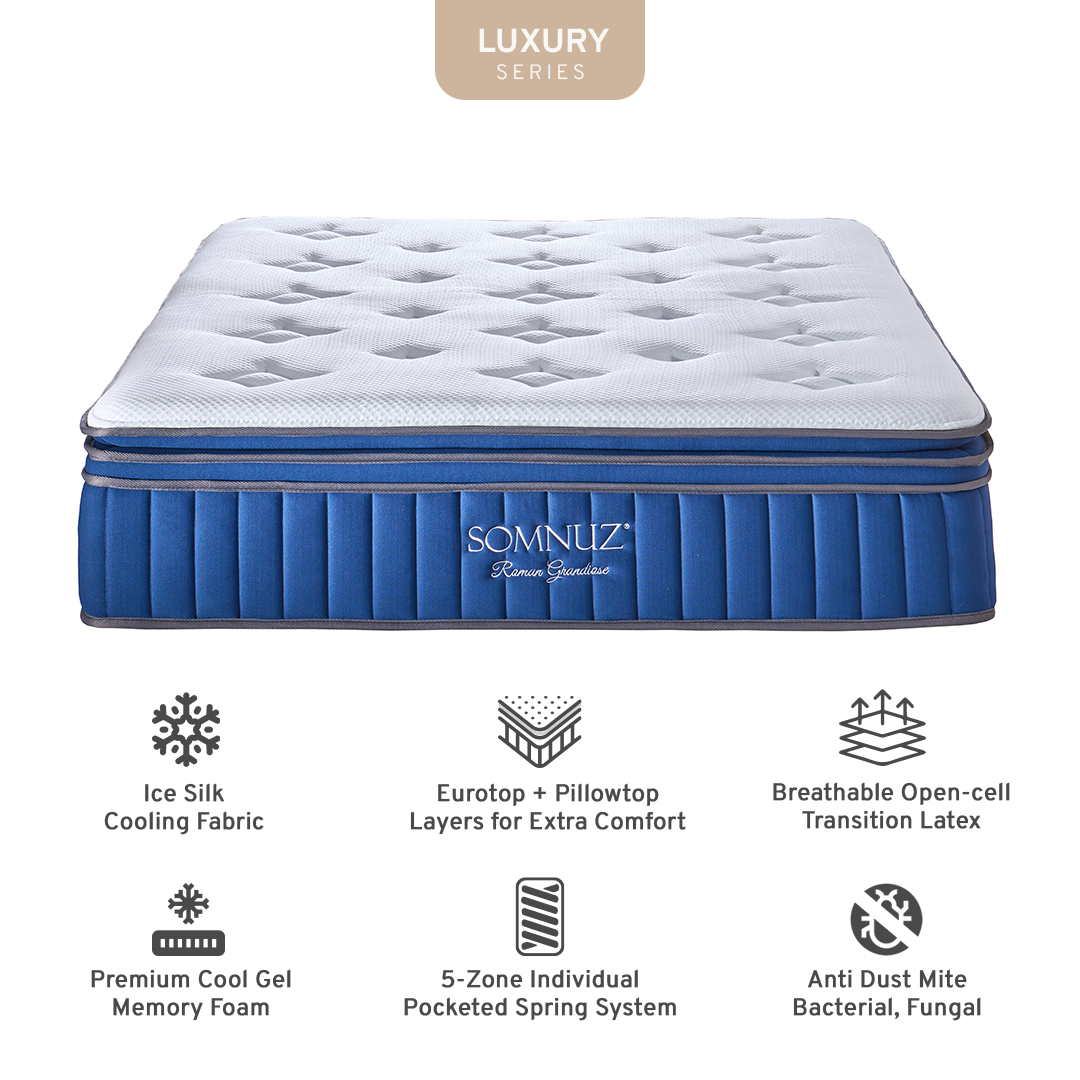
Replacing a mattress is a more considered investment, but a mattress that genuinely suits your firmness preference and sleeping style from the ground up will serve you far better over time than a series of surface adjustments. The Somnuz mattress collection includes options across a range of materials and comfort levels, including memory foam and pocketed spring options designed to suit different sleeping preferences.
Try the Options in Person
Reading about softness levels is one thing. Feeling the difference for yourself is quite another. The way a topper or mattress feels under your body weight and sleeping position is something that is genuinely difficult to judge from a description alone.
At our mattress showroom in Singapore, you can try a range of mattresses across different comfort levels in person and get a clear sense of what softer or firmer actually feels like in practice. Our team is happy to talk through your situation and help you work out whether a topper adjustment or a new mattress is the more sensible step.
For wider guidance on creating a sleep environment that genuinely works for you, our Sleep Well guide is a good place to explore.
FAQs
Will any mattress topper make my bed softer?
Not all toppers are designed to add softness. Some, particularly those made from high-density latex, are designed to add firmness. To make a bed softer, look for a topper labelled as soft or medium-soft, made from memory foam, soft latex, or natural down.
How thick should a softening topper be?
This depends on how much of a change you are looking for. A 5 cm topper will add a noticeable cushioning effect, while a 2.5 cm topper will make a more subtle difference. Thicker is not always better, as a very deep soft topper can reduce the underlying support of your mattress.
Is a memory foam topper suitable for Singapore's climate?
Memory foam can retain heat, which is worth considering in Singapore's warm and humid environment. If you tend to sleep warm, look for memory foam toppers with open-cell construction or ventilation channels, or consider a latex topper as a cooler alternative.
Can I use a softening topper if I share the bed with a partner who prefers a firmer feel?
In some cases, a topper can be placed on one side of the bed only, though this can create an uneven join at the centre. A more reliable long-term solution may be a mattress with individually zoned support, which accommodates different comfort preferences across the sleeping surface.
How do I keep my mattress topper from sliding around?
Look for a topper with corner straps or a non-slip underside. If your topper does not have these features, a fitted sheet placed over both the topper and the mattress together can help hold everything in place.
How long will a softening topper last?
A quality latex topper can last three to five years or more with good care. Memory foam toppers may soften further over time and typically need replacing every two to four years. A topper is generally not a permanent solution, but it can extend the comfort of a good mattress meaningfully.
Find the Right Comfort Level for Your Sleep
Whether a mattress topper is the practical next step or a new mattress makes more sense for your situation, the goal is the same: a bed that feels right and lets you sleep well.
Browse the Somnuz mattress collection to explore options across different comfort levels and materials, or visit our showroom to try the range in person. We are here to help you find what works, without any pressure.