

Vacuum mattress dust mites is a common search because many people want a cleaner, fresher bed. Mattresses are used every night, so it is natural to wonder what may be sitting on the surface and how often you should clean it.
In Singapore, this concern can feel even more relevant. Warm weather, humidity, body heat, sweat, and closed bedrooms can make mattress freshness a regular part of home care. Whether you live in an HDB, condo, or landed home, your mattress should feel comfortable, clean, and reassuring.
Vacuuming your mattress can help remove surface dust, lint, hair, and loose particles. It may also help reduce some dust build-up on the fabric surface. But vacuuming cannot remove everything from deep inside the mattress, and it cannot fix deeper issues such as mould, trapped moisture, sagging, or poor support.
This guide explains how mattress vacuuming helps, what to expect, and how to build a healthier mattress care routine without relying on one cleaning method alone.
Why Vacuuming a Mattress Matters
Vacuuming a mattress is a simple way to keep the sleep surface fresher. Even when sheets are changed regularly, dust and small particles can still settle into the mattress fabric, seams, and edges.
This is especially common in busy households where the bed is used not only for sleeping, but also for reading, folding laundry, relaxing, or spending time with children.
Vacuuming can help remove:
-
Surface dust
-
Hair
-
Lint
-
Skin flakes on the fabric surface
-
Loose particles
-
Dust around seams and edges
- Debris from the bed frame area
A clean mattress surface can make the bedroom feel more comfortable and better cared for. It also helps protect the mattress fabric from long-term build-up.
Vacuuming is not difficult, but it should be done gently. Use a clean upholstery attachment, avoid rough scraping, and pay attention to seams, piping, and the area where the mattress meets the bed frame.
Can Vacuuming Remove Dust Mites From a Mattress?
Vacuuming may help reduce surface dust and some particles associated with dust mite build-up, but it should not be seen as a complete solution. Dust mites are very small, and a mattress has layers that a standard vacuum cannot fully reach.
A vacuum can clean the surface. It cannot guarantee that the mattress is fully free from dust mites or allergens. It also cannot remove moisture, deep residue, or old build-up inside the mattress.
This is why mattress care should involve several habits, not only vacuuming. Regular sheet washing, breathable protectors, room ventilation, and keeping the mattress dry are all important.
If you are concerned about dust mites because the mattress is old, musty, stained, or difficult to keep fresh, vacuuming may not be enough. In that case, you may need professional cleaning advice or consider whether the mattress should be replaced.
The aim is not to chase a spotless mattress in an unrealistic way. The aim is to maintain a cleaner, fresher, more comfortable sleep environment.
How Often Should You Vacuum Your Mattress?
For most homes, vacuuming the mattress during regular bedding changes can be a practical habit. Some households may do this monthly, while others do it more often depending on room dust, pets, allergies, or how heavily the mattress is used.
You may want to vacuum more often if:
-
The mattress is shared by two sleepers
-
Pets enter the bedroom
-
The room gets dusty quickly
-
You sleep warm
-
The mattress is in daily use
-
You have children using the bed
- The room has limited airflow
Guest room mattresses may not need frequent vacuuming, but they should still be refreshed before guests arrive, especially if the room has been closed for some time.
When vacuuming, remove all bedding first. Vacuum the top surface, sides, seams, and edges. If possible, check the underside too, especially if the mattress sits on a solid base or storage bed.
A little regular care can help the mattress feel fresher over time.
How to Vacuum a Mattress Properly
Start by removing sheets, pillowcases, protectors, and toppers. Wash bedding according to care instructions.
Use a clean vacuum attachment. An upholstery attachment is often gentler than a floor head. Make sure the attachment itself is clean before using it on your mattress.
Vacuum slowly across the mattress surface. Rushing may miss dust and particles trapped in fabric texture or seams. Pay extra attention to the edges and piping because dust can collect there.
If your mattress can be rotated according to its care instructions, this may be a good time to rotate it. This can help the mattress wear more evenly.
After vacuuming, let the mattress air for a short while before putting bedding back. In Singapore’s humid climate, this helps release trapped warmth and moisture.
Avoid using water unless the care instructions allow it. A damp mattress can be difficult to dry fully, especially in humid rooms.
What Else Helps Reduce Dust Build-Up?
Vacuuming is helpful, but it works best with other care habits.
Use a breathable mattress protector. This creates a washable barrier between your body and the mattress. Choose one that feels comfortable and does not trap too much heat.
Wash sheets regularly. Bedding collects sweat, oils, and dust from daily use. Keeping sheets clean helps protect the mattress underneath.
Air the mattress during sheet changes. Leave it uncovered for a short while so warmth can escape.
Keep the bedroom ventilated. Open windows when suitable, use a fan, or use air-conditioning dry mode if the room feels damp.
Clean around the bed. Dust on the floor, headboard, bedside tables, and bed frame can settle back onto bedding and the mattress.
Avoid eating in bed where possible. Crumbs and spills make cleaning harder and may affect mattress freshness.
These habits are simple, but together they help support a cleaner sleep space.
Mattress Care in Singapore’s Humid Climate
Singapore’s humidity can make mattresses feel stale more quickly if airflow is poor. Bedrooms may stay closed during the day, and air-conditioning may be used only at night. This can trap warmth and moisture around the mattress.
To reduce moisture build-up, check the full bed setup. A mattress on a well-ventilated base may feel fresher than one on a solid platform with limited airflow. Storage beds are practical in compact homes, but they should still be kept clean and aired when possible.
If your bed is pushed against a wall, check the wall and mattress side occasionally for moisture marks. If your bedroom feels damp, consider using a fan, dehumidifier, or dry mode to improve the room environment.
For Singapore homes, mattress care is not only about dust. It is also about keeping the mattress dry, breathable, and fresh.
If you need practical guidance on sleep setup, Somnuz’s Sleep Well page can help you understand comfort, support, and bedroom care more clearly.
When Vacuuming Is Not Enough
Vacuuming can refresh the surface, but it cannot solve every mattress problem. If your mattress has deeper issues, repeated vacuuming may only delay a better decision.
Vacuuming is not enough if:
-
The mattress is sagging
-
The surface feels uneven
-
There are deep stains
-
There is a musty smell
-
You see mould-like marks
-
There are recurring black dots
-
The mattress feels damp or stale
-
The edges feel weak
- You no longer sleep comfortably
In these situations, you may need professional cleaning or mattress replacement. This is especially true if the mattress is old and no longer supportive.
A mattress should feel clean enough for peace of mind and supportive enough for everyday rest. If it no longer does, replacing it may be the more practical choice.
Choosing a Mattress That Is Easier to Maintain
If you are replacing an old mattress, think about maintenance from the start. A good mattress should suit your comfort needs, but it should also work with your home climate and care habits.
For Singapore’s humid weather, breathability matters. Look for a mattress that supports airflow and feels comfortable through warm nights.
If you share the bed, motion control can help reduce disturbance when one person moves. If you sit on the edge often, stable edge support can make the mattress feel more practical.
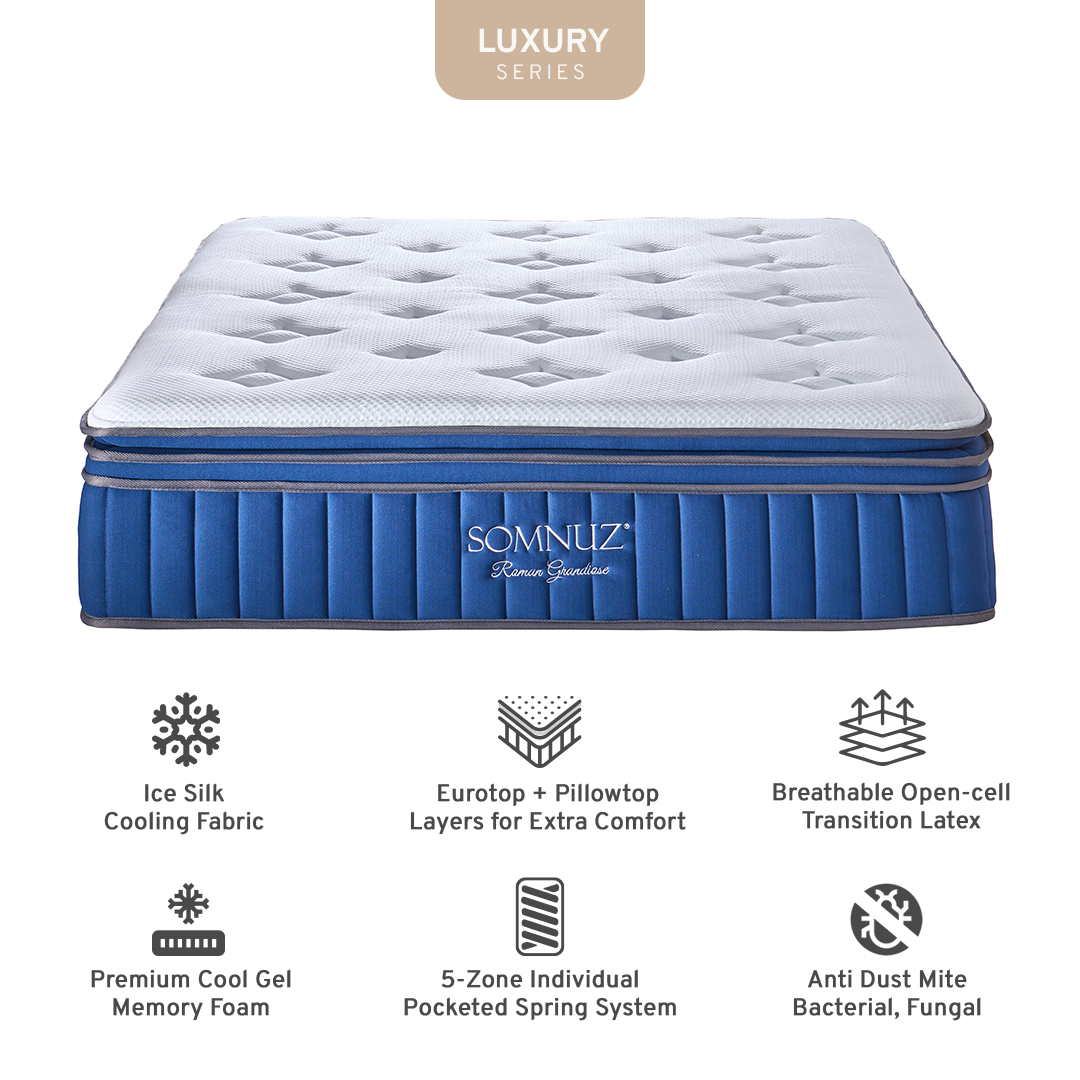
Different materials feel different. A memory foam mattress may suit sleepers who like a cushioned and steady feel. A latex mattress may appeal to those who prefer a more buoyant surface. A pocketed spring mattress may suit those who want responsive support and airflow through the spring structure.
You can also compare options through the Somnuz mattress collection to find a mattress that fits your sleep habits and room setup.
Should You Vacuum Your Mattress Regularly?
Yes, regular vacuuming can be a useful part of mattress care. It helps remove surface dust and keeps the sleep surface feeling fresher. But it should be combined with washing bedding, using a protector, ventilating the room, and checking for deeper mattress issues.
For homes in Singapore, this balanced approach matters. A mattress should stay clean, dry, breathable, and supportive. If vacuuming no longer makes the mattress feel fresh, or if comfort has clearly declined, it may be time to review whether the mattress still suits your needs.
At a mattress showroom Singapore, you can try the range in person and receive calm showroom guidance if you are considering a replacement.
Vacuuming is a good habit. Choosing the right mattress and caring for it well is what supports long-term comfort.
Frequently Asked Question
Can you vacuum mattress dust mites away?
Vacuuming can help remove surface dust and some particles linked to dust mite build-up, but it cannot fully remove everything deep inside the mattress. It works best as part of a wider mattress care routine.
How often should I vacuum my mattress?
Many households vacuum during regular bedding changes or once a month. You may do it more often if the mattress is shared, the room is dusty, pets enter the bedroom, or the mattress is heavily used.
What vacuum attachment should I use on a mattress?
Use a clean upholstery attachment. It is usually gentler for mattress fabric than a floor vacuum head. Vacuum slowly across the surface and seams.
Does vacuuming remove mattress smell?
Vacuuming may help remove surface dust, but it may not remove deeper odours. A musty smell may be linked to trapped moisture, stains, or age, which may need professional cleaning or replacement.
Should I use water after vacuuming my mattress?
Avoid using water unless the mattress care instructions allow it. Too much moisture can be difficult to dry, especially in Singapore’s humid climate.
When should I replace instead of vacuuming?
Replace the mattress if it is sagging, uneven, musty, deeply stained, damp, or no longer comfortable. Vacuuming can clean the surface, but it cannot restore lost support.
Keep Your Mattress Cleaner, Fresher, and Better Supported
Vacuuming your mattress can help with surface dust, but lasting comfort comes from the right care routine and a mattress that suits Singapore’s humid conditions.
Browse the Somnuz mattress collection to compare breathable, supportive mattress options for your home. Or visit our showroom for honest guidance on whether your mattress needs better care or a more suitable replacement.