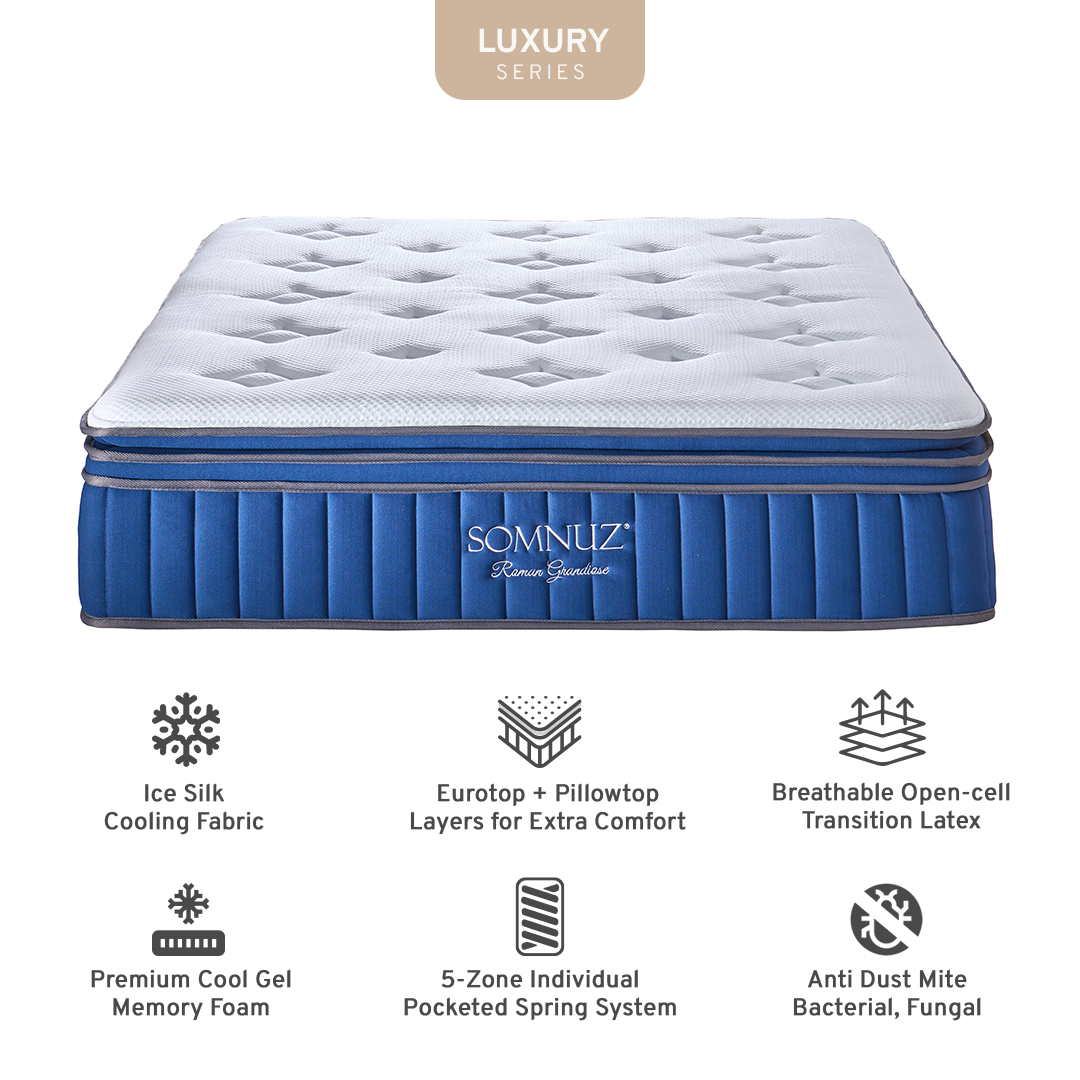


A very soft mattress can feel inviting at first. The surface feels plush, cushioned, and gentle, which may appeal to people who enjoy sinking slightly into their bed after a long day. For some sleepers, this softer comfort can feel cosy and reassuring.
However, a very soft mattress is not always the best choice for everyone. Comfort is personal, but support still matters. A mattress that feels soft on top should still help your body feel steady through the night. If it allows too much sinking, you may feel less comfortable over time.
For Singapore homes, there is another factor to consider: heat and humidity. A very soft mattress with thick cushioning may feel warmer if it traps too much heat or limits airflow. This matters in HDBs, condos, and landed homes where bedroom ventilation, air-conditioning, and bedding choices all affect sleep comfort.
Before choosing a very soft mattress, it helps to understand what softness means, who it may suit, when to be careful, and how to compare options calmly.
What Is a Very Soft Mattress?
A very soft mattress is a mattress with a plush, cushioned surface feel. When you lie down, your body may sink into the top layers more noticeably than on a medium or firm mattress.
Softness usually comes from the comfort layers near the surface. These may include foam, memory foam, latex, pillow-top quilting, or other cushioning materials. The deeper support layers still matter because they help the mattress hold its shape and provide stability underneath.
A very soft mattress may feel:
-
Plush on first contact
-
More cushioned around the shoulders and hips
-
Less firm under pressure points
-
Cosier for sleepers who dislike hard surfaces
- More body-hugging, depending on the material
The key point is that softness and support are not the same thing. A mattress can feel soft on top but still have supportive layers underneath. It can also feel soft because it lacks enough structure. The first may be comfortable for the right sleeper. The second may become uncomfortable over time.
Who Might Like a Very Soft Mattress?
A very soft mattress may suit sleepers who prefer a cushioned, gentle surface. It may feel especially appealing if you dislike the feeling of a hard mattress or want more softness around areas that press into the bed.
Side sleepers may be more drawn to soft mattresses because the shoulders and hips need space to settle into the surface. A softer comfort layer can make the bed feel less harsh in these areas.
A lighter sleeper may also enjoy a softer mattress because they may not sink as deeply as a heavier sleeper. For them, a very firm mattress may feel too flat or unyielding.
A very soft mattress may suit you if:
-
You sleep mostly on your side
-
You prefer a plush, cushioned surface
-
You dislike firm or hard mattresses
-
You are a lighter sleeper
-
You want a more cloud-like surface feel
- You sleep alone and do not need to balance another person’s preference
Still, even if you like softness, it is important to check whether the mattress keeps you comfortably supported. The right mattress should feel gentle without making you feel stuck or unstable.
When a Very Soft Mattress May Not Suit You
A very soft mattress may not suit everyone. If the mattress allows too much sinking, it may feel less supportive, especially for back sleepers, front sleepers, heavier sleepers, or people who move often during the night.
If you sleep on your back, a very soft mattress may not always provide the steadiness you prefer. If you sleep on your front, too much softness may make the body sink more than feels comfortable.
For combination sleepers, a very soft mattress can sometimes make turning more difficult. If the surface hugs the body too deeply, you may feel like you need more effort to move.
For couples, softness can be more complicated. One person may enjoy a plush feel while the other needs firmer support. A very soft mattress may also transfer the feeling of dips more noticeably if the support system is not stable enough.
A very soft mattress may not be ideal if:
-
You prefer a lifted, stable surface
-
You sleep mostly on your back or front
-
You move positions often
-
You share the bed with someone who prefers firmer support
-
You sit on the edge of the bed often
- You dislike feeling deeply hugged by the mattress
The goal is not to avoid softness. The goal is to choose softness that still feels stable and suitable for your body.
Softness Should Still Come With Support
A common mistake is choosing a mattress only by how soft it feels in the first few seconds. A mattress can feel pleasant at first but still lack the support you need through a full night.
Support helps the mattress feel steady under your body. It keeps the surface from dipping too much and helps the bed feel comfortable from evening to morning.
When testing a very soft mattress, pay attention to how your body settles. Do your hips sink much deeper than the rest of your body? Do you feel supported when lying on your side or back? Is it easy to turn? Does the mattress feel stable near the edges?
A soft mattress with good support should feel cushioned but not collapsed. It should let your body rest into the surface without making the bed feel uneven.
If you want to compare different support styles, the Somnuz mattress collection can help you review options across different comfort feels and constructions.
Very Soft Mattress Materials to Consider
Different materials can create different types of softness. Understanding the feel can help you choose more confidently.
A memory foam mattress may offer a soft, contouring feel. It gently adapts to the body and can create a steady, cushioned surface. This may appeal to sleepers who enjoy a closer, body-hugging comfort layer.
A latex mattress may feel softer or firmer depending on its construction, but it usually has a more responsive and buoyant feel than memory foam. If you want cushioning without a deep sinking sensation, latex may be worth comparing.
A pocketed spring mattress can also include soft comfort layers on top while keeping a more responsive support system underneath. This may suit sleepers who want plushness with a steadier base.
Hybrid mattresses can combine cushioning layers with springs or other support systems. These may offer a balanced feel for people who want softness but still need good structure.
The best material depends on whether you want deep contouring, gentle bounce, responsive support, or a balanced feel.
Consider Singapore’s Humid Weather
In Singapore, a very soft mattress should be chosen carefully because plush comfort layers can sometimes feel warmer. This does not mean soft mattresses are unsuitable, but breathability becomes important.
A mattress used in a warm HDB or condo bedroom may feel different from how it feels in a showroom. Air-conditioning, fan use, window ventilation, bedding thickness, and mattress protector choice all affect comfort.
If you sleep hot, check whether the mattress has breathable materials, a comfortable cover, and a construction that does not trap too much warmth. Also consider lighter bedding and regular airing.
To keep a soft mattress fresher:
-
Use breathable sheets
-
Choose a suitable mattress protector
-
Avoid overly heavy bedding
-
Let the mattress air when changing sheets
-
Keep the room ventilated when possible
- Check the underside if your bed base has limited airflow
A very soft mattress should feel cosy without making your sleep space feel stuffy.
Very Soft Mattress for Couples
If you share the bed, choosing a very soft mattress needs extra care. Both sleepers should feel comfortable and supported.
A very soft mattress may feel pleasant for one partner but too sinking for the other. It may also feel less stable near the edges if the mattress does not have enough support. This matters on queen and king mattresses where both sleepers need usable space.
Motion control is another factor. Some soft foam materials can absorb movement well, while some softer mattresses may feel less stable if the support system is weak.
When testing a mattress as a couple, lie down together. One person should turn while the other stays still. Notice how much movement travels across the surface. Also test the edges and your usual sleeping positions.
A shared mattress should support both people calmly, not require one sleeper to compromise too much.
How to Know If a Very Soft Mattress Is Too Soft
A very soft mattress may be too soft if it feels comfortable at first but less settled after lying down for longer.
Signs that a mattress may be too soft include:
-
You sink more than feels natural
-
It feels hard to turn or move
-
The surface feels uneven under your body
-
The edges feel weak
-
You feel less supported in your usual position
-
Your partner’s movement feels more noticeable
- The mattress feels warm or enclosed
When trying a mattress, give yourself time. Do not judge only by the first impression. Lie down for several minutes in your usual sleep position. If you share the bed, test it together.
For simple guidance on comfort and mattress fit, Somnuz’s Sleep Well page can help you think through support, feel, and everyday sleep needs more clearly.
Should You Buy a Very Soft Mattress?
A very soft mattress may be right for you if you enjoy a plush, cushioned surface and still feel well supported when lying down. It may suit side sleepers, lighter sleepers, and people who prefer a gentler comfort layer.
It may not be the best choice if you need stronger support, move often, sleep mainly on your front or back, or share the bed with someone who prefers a firmer feel.
The best way to choose is to compare softness with support. A mattress should not only feel cosy. It should help you rest comfortably, stay breathable in Singapore’s climate, and suit your room and routine.
At a mattress showroom Singapore, you can try the range in person and receive calm showroom guidance based on your sleep style, room setup, and comfort preference.
A very soft mattress can feel comforting, but the right softness should still give you confidence every night.
Frequently Asked Question
Is a very soft mattress good?
A very soft mattress can be good for sleepers who enjoy a plush, cushioned feel. It should still provide enough support underneath, so the mattress does not feel unstable or overly sinking.
Who should use a very soft mattress?
A very soft mattress may suit side sleepers, lighter sleepers, or people who dislike firm surfaces. It may not suit everyone, especially those who prefer a steadier or more lifted feel.
Is a very soft mattress good for couples?
It depends on both sleepers. A very soft mattress may suit couples who both enjoy plush comfort, but it should still offer motion control, edge support, and enough stability for shared sleep.
Can a very soft mattress feel hot in Singapore?
Some very soft mattresses may feel warmer if the comfort layers trap heat. In Singapore’s humid climate, breathability, bedding choice, and room ventilation are important.
Is memory foam usually soft?
Memory foam can feel soft and contouring, but not all memory foam mattresses are very soft. Firmness depends on the foam density, layer design, and support structure.
How do I know if my mattress is too soft?
Your mattress may be too soft if you sink too deeply, find it hard to turn, feel unsupported, or notice weak edges. A mattress should feel cushioned but still steady.
Find the Right Softness for Your Sleep Needs
A very soft mattress can feel comforting, but good value comes from choosing softness with the right support, breathability, and stability for Singapore’s conditions.
Browse the Somnuz mattress collection to compare comfort feels and mattress constructions. Or visit our showroom for honest guidance on whether a soft, medium, or firmer feel suits your body and home best.