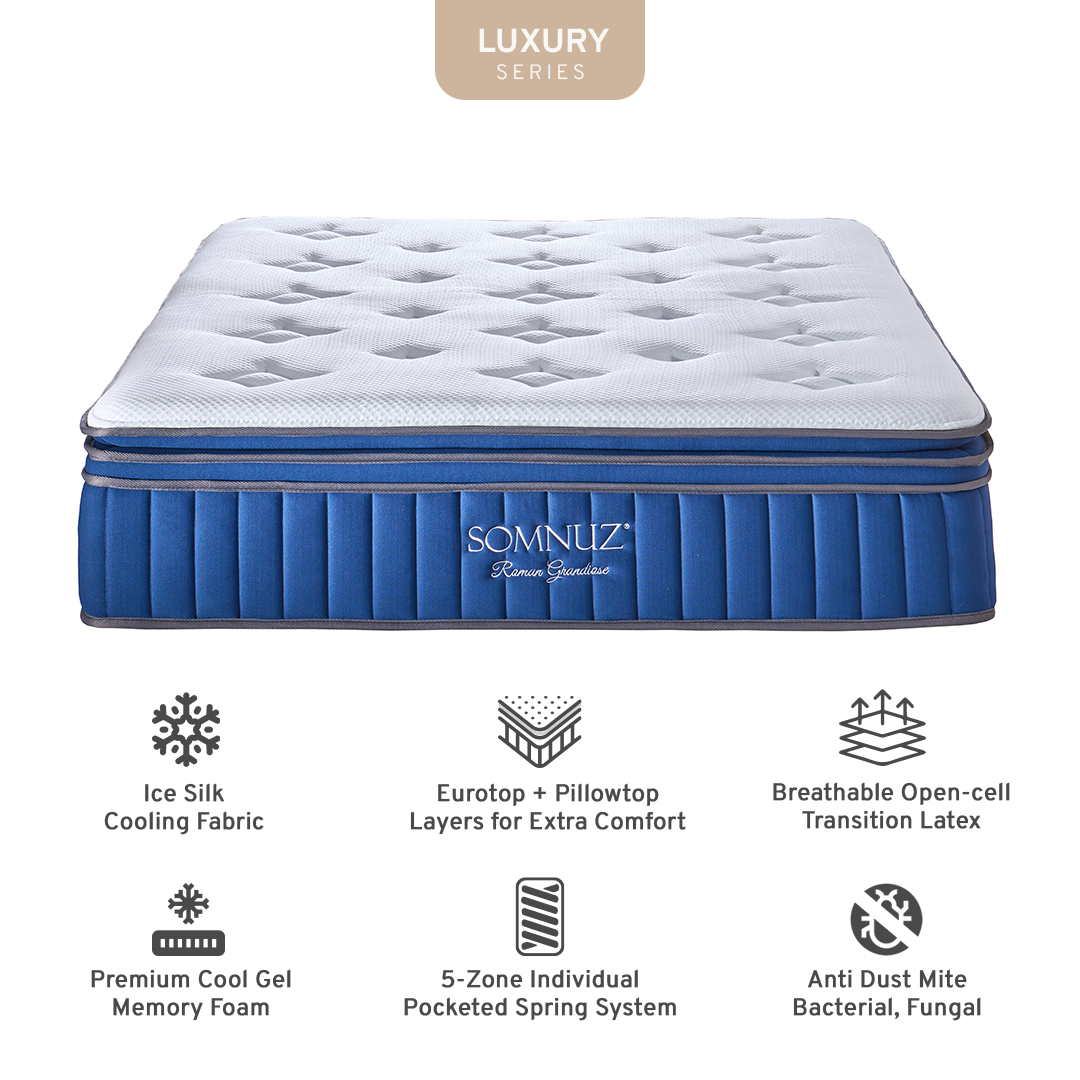


An orthopedic mattress is generally understood as a mattress designed to provide steadier support for the body. The term is often used for mattresses that feel firmer, more structured, or more supportive than very soft mattresses.
If you are shopping in Singapore, you may see the word “orthopedic” used across different mattress types. Some may be spring-based, some may use foam, and others may combine different materials. This can make the term feel confusing, especially when every mattress seems to promise support in a different way.
The important thing to know is this: an orthopedic mattress is not a medical treatment. It should not be chosen because you expect it to fix pain, posture, or health concerns. Instead, think of it as a mattress style that focuses on stable support, balanced comfort, and a sleep surface that does not feel overly soft or sinking.
For Singapore homeowners, couples, and families, the right mattress should support your everyday sleep routine, suit humid weather, fit your bedroom, and feel comfortable for your body. This guide explains what an orthopedic mattress means and how to choose one calmly.
What Is an Orthopedic Mattress?
An orthopedic mattress is a mattress designed with support as a main focus. It usually aims to keep the body feeling well-supported across the sleeping surface, especially around heavier areas such as the hips and lower body.
Many people associate orthopedic mattresses with a firmer feel. While this is often true, firmness alone does not make a mattress suitable. A mattress can be firm but uncomfortable. It can also feel supportive without being extremely hard.
A good orthopedic-style mattress should feel stable, balanced, and comfortable for your sleeping position. It should not collapse too deeply under your body, but it should also not feel harsh at pressure points.
The word “orthopedic” is sometimes used loosely in mattress marketing, so it is better to check the actual construction rather than relying on the label alone. Look at the materials, support system, comfort layers, edge stability, and breathability.
In simple terms, an orthopedic mattress is best understood as a support-focused mattress, not a guaranteed solution for physical discomfort.
Is an Orthopedic Mattress Always Firm?
Many orthopedic mattresses are firmer than plush mattresses, but they are not all the same. Some feel medium-firm, some feel firm, and some combine a supportive base with a softer comfort layer on top.
This matters because different sleepers need different comfort levels.
A side sleeper may need some cushioning around the shoulders and hips. A back sleeper may prefer a steadier surface. A front sleeper may want a mattress that prevents the body from sinking too much. A couple may need a balanced feel that works for two different comfort preferences.
If a mattress is too firm for your body, you may not settle comfortably. If it is too soft, you may feel less supported. The right choice sits between comfort and structure.
When testing an orthopedic mattress, do not judge it by firmness alone. Lie down in your usual sleeping position and notice how your body feels after a few minutes. A mattress should feel supportive without making you tense or uncomfortable.
Who Might Consider an Orthopedic Mattress?
An orthopedic mattress may appeal to sleepers who prefer a steadier, more structured feel. It may also suit people who dislike very soft mattresses or feel unsupported on beds that sink too much.
You may consider an orthopedic mattress if:
-
You prefer a firmer or medium-firm sleep surface
-
Your current mattress feels too soft or uneven
-
You want a more stable mattress feel
-
You share the bed and need better support across the surface
-
You sit on the edge of the bed often
- You want a mattress that feels less plush and more structured
For couples, support and motion control can be especially important. If one person moves often or wakes earlier, a mattress that feels stable can help make shared sleep feel calmer.
For families, an orthopedic-style mattress may also be considered for a master bedroom or long-term sleep setup where durability, support, and comfort all matter.
Still, it is important to choose based on your own body and sleep habits. An orthopedic mattress is not automatically right for everyone.
What Materials Are Used in Orthopedic Mattresses?
Orthopedic mattresses can be made with different materials. The construction affects how supportive, firm, breathable, and comfortable the mattress feels.
A pocketed spring mattress may offer responsive support because the springs are individually wrapped. This can help the mattress respond more independently to body movement and may reduce motion transfer for couples.
A memory foam mattress may provide a cushioned and contouring surface. In an orthopedic-style design, memory foam may be paired with firmer support layers to create a steadier feel.
A latex mattress may feel more buoyant and responsive. It can suit sleepers who want cushioning but do not like a deep sinking sensation.
Hybrid mattresses may combine springs with foam or latex comfort layers. These designs can offer support from the spring system with added comfort from the top layers.
There is no single material that makes a mattress orthopedic. What matters is how the layers work together to provide support, comfort, and stability.
Orthopedic Mattress and Singapore’s Humid Climate
In Singapore, breathability should be part of any mattress decision. A mattress that feels supportive but traps too much heat may not feel comfortable through the night.
Humid weather, warm bedrooms, and limited airflow can affect how fresh a mattress feels. This is especially true in HDB and condo bedrooms where beds may be placed close to walls, wardrobes, or storage bases.
If you are considering an orthopedic mattress, look for one that supports both structure and airflow. The mattress should feel stable without becoming overly dense or heat-trapping.
Your bedding also matters. A breathable mattress protector, lighter sheets, and regular airing can help the bed feel fresher. When changing sheets, leave the mattress uncovered for a short while so trapped warmth and moisture can disperse.
A mattress for Singapore homes should feel comfortable in real local conditions, not only in a cool showroom.
Orthopedic Mattress for Couples
Couples should look beyond firmness when choosing an orthopedic mattress. A shared mattress needs to support two sleepers, reduce movement disturbance, and provide enough usable space.
Motion control matters when one partner turns, gets up early, or changes position often. A mattress with good motion handling can make shared sleep feel more settled.
Edge support is also helpful. Stronger edges can make a queen or king mattress feel more spacious because both sleepers can use more of the surface comfortably.
If one partner prefers a softer feel and the other wants firmer support, a medium-firm mattress may be a practical starting point. It can offer a balance of comfort and structure without going too far in either direction.
When possible, both sleepers should try the mattress together. A mattress that feels right for one person may not suit the other.
How to Choose the Right Orthopedic Mattress
The right orthopedic mattress should feel supportive, comfortable, breathable, and suitable for your room.
Start by thinking about your sleeping position. Side sleepers may need more cushioning. Back sleepers may prefer steadier support. Combination sleepers may need a mattress that allows easy movement.
Next, consider firmness. Do not choose the firmest mattress automatically. Choose the level that feels stable without creating discomfort.
Then check support and edge stability. A good mattress should feel even across the surface. It should not dip too deeply or feel weak at the sides.
Also consider breathability. In Singapore, a mattress should work with humid weather, air-conditioning habits, and room ventilation.
Finally, check service support. Good mattress buying guidance should help you understand materials, comfort, care, delivery, and after-sales support clearly.
You can compare different support and comfort options through the Somnuz mattress collection to see which construction may suit your needs.
Orthopedic Mattress vs Regular Mattress
The difference between an orthopedic mattress and a regular mattress is usually the focus on support. An orthopedic-style mattress is often firmer or more structured, while regular mattresses can range from very soft to firm depending on design.
However, the label is not enough. A regular mattress with good support may suit you better than an orthopedic mattress that feels too hard. Likewise, an orthopedic mattress may be suitable if you prefer a steadier sleep surface.
Instead of choosing by category alone, compare:
-
Comfort level
-
Support structure
-
Breathability
-
Motion control
-
Edge support
-
Mattress height
-
Room fit
-
Care needs
- Service guidance
For practical help understanding comfort and mattress fit, Somnuz’s Sleep Well page can help you think through your options more clearly.
Should You Buy an Orthopedic Mattress?
You may want to buy an orthopedic mattress if you prefer firm or medium-firm support, want a more stable sleep surface, or feel that your current mattress is too soft or uneven.
However, it should still feel comfortable. A mattress that is supportive but too hard may not be the right fit. A mattress should help you settle naturally into sleep, not make you feel like you need to adjust all night.
Before buying, try the mattress in person if possible. Lie down in your normal sleeping position. Test the edge. If you share the bed, bring your partner along. Ask about support, breathability, care, delivery, and after-sales service.
At a mattress showroom Singapore, you can try the range in person and receive calm showroom guidance based on your comfort preference, room size, and sleep habits.
An orthopedic mattress can be a good choice when it gives you the right balance of support, comfort, breathability, and confidence.
Frequently Asked Question
What is an orthopedic mattress?
An orthopedic mattress is generally a support-focused mattress designed to provide a steadier and more structured sleep surface. It is often firmer than plush mattresses, but the exact feel depends on the construction.
Is an orthopedic mattress always very firm?
No. Many orthopedic mattresses are firm or medium-firm, but they should still offer comfort. The right mattress should feel supportive without being overly hard.
Is an orthopedic mattress good for everyone?
Not necessarily. It may suit sleepers who prefer a stable and supportive feel, but it may not suit those who need more cushioning or prefer a softer sleep surface.
Can an orthopedic mattress help with back pain?
An orthopedic mattress should not be seen as a treatment for pain or medical concerns. It may offer a supportive sleep surface, but anyone with ongoing discomfort should seek appropriate professional advice.
What is the difference between orthopedic and memory foam mattress?
Orthopedic refers to a support-focused mattress style, while memory foam refers to a material. A memory foam mattress can be designed with supportive layers, but not every memory foam mattress is orthopedic-style.
How do I choose an orthopedic mattress in Singapore?
Look for balanced support, suitable firmness, breathability, motion control, edge support, room fit, and reliable service guidance. Try the mattress in person if possible.
Find Support That Feels Right for Your Home
An orthopedic mattress can be a thoughtful choice if you prefer a steadier, more structured sleep surface. Good value comes from choosing support that still feels comfortable, breathable, and suitable for Singapore’s humid conditions.
Browse the Somnuz mattress collection to compare supportive mattress options for your home. Or visit our showroom for honest guidance on finding the mattress feel that best suits your body, room, and everyday sleep routine.