

A cheap memory foam mattress is one of the most searched categories in the Singapore mattress market. The interest makes sense. Memory foam is well-known, associated with comfort and pressure relief, and there are options at almost every price point. But the gap between a memory foam mattress at the low end of the market and one in the mid-range is significant, and it is worth understanding what that gap means in practice.
What Makes Memory Foam Cheap
The cost of a memory foam mattress is driven primarily by foam density and layer construction. Low-density foam is cheap to produce and cheap to buy. It compresses quickly under body weight and, within months of regular use, loses the body-contouring quality that made memory foam attractive in the first place.
A mattress described as memory foam at a very low price is almost always using low-density foam throughout, or a very thin memory foam layer over a low-quality polyfoam base. Either way, the performance will not match what you associate with the memory foam experience from brands or products at a higher quality level.
Foam Density: The Number That Matters Most
Foam density is measured in kilograms per cubic metre. It is the single most important quality indicator in a foam mattress and it is often not listed in budget product descriptions, which is itself a signal.
Below 30 kg per cubic metre is considered low density and will compress and deteriorate quickly with nightly use. Between 35 and 50 kg per cubic metre is the range where a memory foam mattress begins to hold its shape well over time. Above 50 kg per cubic metre is considered high density and is used in premium products.
A cheap memory foam mattress is almost always in the low-density range. It may feel acceptable in a showroom or on the first few nights. After a couple of months of regular use, body impressions start to form and the mattress no longer returns to its original shape properly.
What to Expect From Different Price Points
Very Low-Cost Options (Under $200 for a Queen)
At this price point, you are getting a thin, low-density foam product. It will function as a sleep surface for light or occasional use, such as a guest room mattress that is used a handful of nights per year. For nightly adult use, it will deteriorate noticeably within the first year.
Mid-Range Options ($300 to $500 for a Queen)
This range covers a much wider spread of quality. The best options in this range use medium to high-density foam in a layered construction with a comfort layer above a support core. The worst options are simply low-density foam at a price that suggests better materials.
The key is to find products in this range that list their foam density, detail their layer construction, and come with a meaningful warranty. That information separates the products worth buying from those priced to look competitive without delivering the performance.
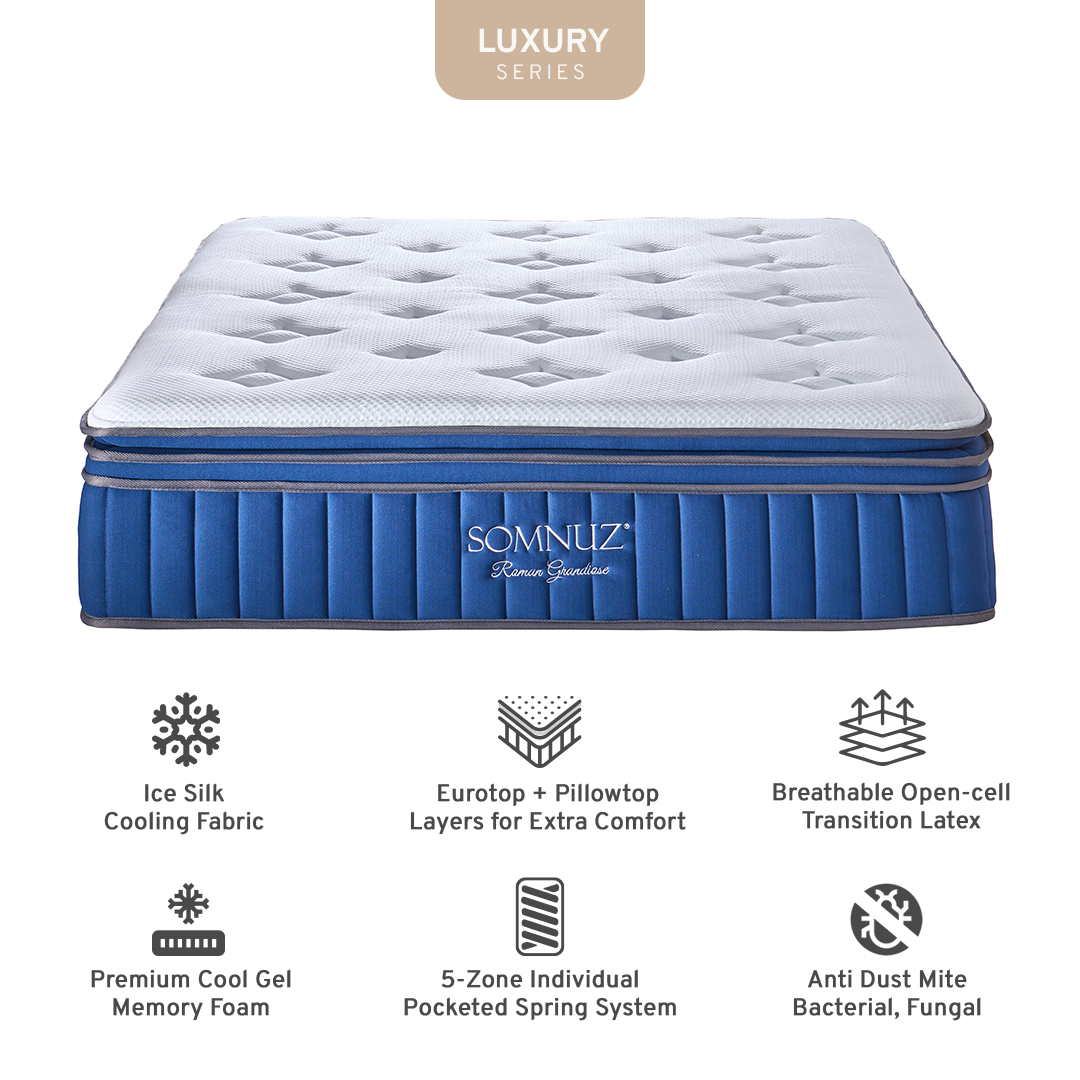
The Somnuz Memory Foam Mattress sits in an accessible price range and uses a layered foam construction with sufficient density for nightly adult use. It is a practical option when memory foam is the direction you want to go without paying luxury pricing.
Heat Retention: A Real Issue in Singapore
Memory foam retains heat. The denser and thicker the foam, the more heat it holds. This is a significant concern in Singapore where nights are warm and humid even with air conditioning. A cheap memory foam mattress with standard foam will trap body heat and make the sleeping surface uncomfortable, particularly in the early hours of the morning when the body's temperature naturally rises.
Mid-range and above memory foam mattresses often use gel-infused or open-cell foam to manage this. These technologies reduce heat retention by allowing more airflow through the foam structure. If you run warm at night, this is worth paying extra for.
Alternatively, if breathability is a consistent concern, a pocketed spring mattress with a foam comfort layer provides the pressure relief of foam at the surface with the airflow benefit of a spring core below. The Somnuz Comfy Pocketed Spring Mattress is a well-priced option in this construction.
What the Warranty Tells You
Budget memory foam mattresses often carry short warranties, sometimes one to two years, or warranties with significant exclusions. This reflects the manufacturer's expectation of how long the product will perform before it deteriorates to the point of complaint.
A mattress backed by a five to ten year warranty is a product the supplier is confident in. That confidence is meaningful information when you are trying to assess whether a product will hold up over time.
When Spending a Bit More Makes Sense
If you are going to be sleeping on the mattress every night, the difference between a $200 foam mattress and a $400 to $500 one is worth taking seriously. The cheaper option may last two years before deteriorating. The better one may last six to eight years. The cost per year of sleep is often lower on the more expensive option, and the sleep quality is higher throughout.
For those who want to compare before deciding, the memory foam collection and the full Somnuz range provide a view of what different investment levels deliver in terms of materials and construction.
Final Thoughts
A cheap memory foam mattress can serve a purpose when the use case is appropriate, such as a guest room, a child's first mattress, or a temporary sleeping arrangement. For nightly adult use, the quality difference between the cheapest options and a well-constructed mid-range product is significant enough to affect your sleep every night. Look for foam density information, a proper warranty, and honest layer construction details before making the decision on price alone.