

Orthopaedic mattress is one of the most used and least regulated terms in mattress marketing. Walk into any mattress showroom in Singapore or browse any online mattress retailer and you will find the word attached to everything from entry-level foam mattresses to premium spring systems.
The problem is that the term has no formal definition in the mattress industry. No certification body determines what qualifies as orthopaedic. No standard specifies the materials or construction required. Any mattress can be labelled orthopaedic, and many are, regardless of whether they actually provide meaningful postural or spinal support.
This article explains what the term should mean, what to actually look for in a mattress that genuinely supports spinal health, and how to shop without being misled by marketing language.
What Orthopaedic Actually Refers To
In a clinical context, orthopaedics deals with the musculoskeletal system. An orthopaedic mattress, if the term were used precisely, would be one designed to support proper spinal alignment and reduce pressure on joints during sleep.
What that requires in practice is a mattress with adequate firmness to prevent the hips from sinking too deeply out of alignment, sufficient contouring to fill the natural gap at the lower back without forcing the spine into an unnatural position, and enough pressure relief at the shoulders and hips to prevent pain at those contact points.
No single firmness level achieves this for everyone. The right firmness depends on body weight, sleeping position, and where specifically the pain or discomfort is located. A mattress marketed as orthopaedic with a single fixed firmness is unlikely to be optimal for every person who buys it.
What to Look For Instead of the Label
Proper Zoning
Some mattresses use different firmness zones across the sleep surface, firmer at the lumbar area and softer at the shoulders and hips, to provide postural support that adapts to the body's shape. This kind of design is closer to what an orthopaedic mattress should do than a uniformly firm mattress with an orthopaedic label.
Individually Pocketed Springs
Individually encased springs respond to pressure points independently. This means the mattress adapts to body contours differently across the surface rather than applying the same resistance everywhere. For spinal support, this is more effective than Bonnel or open coil systems that respond as a single unit.
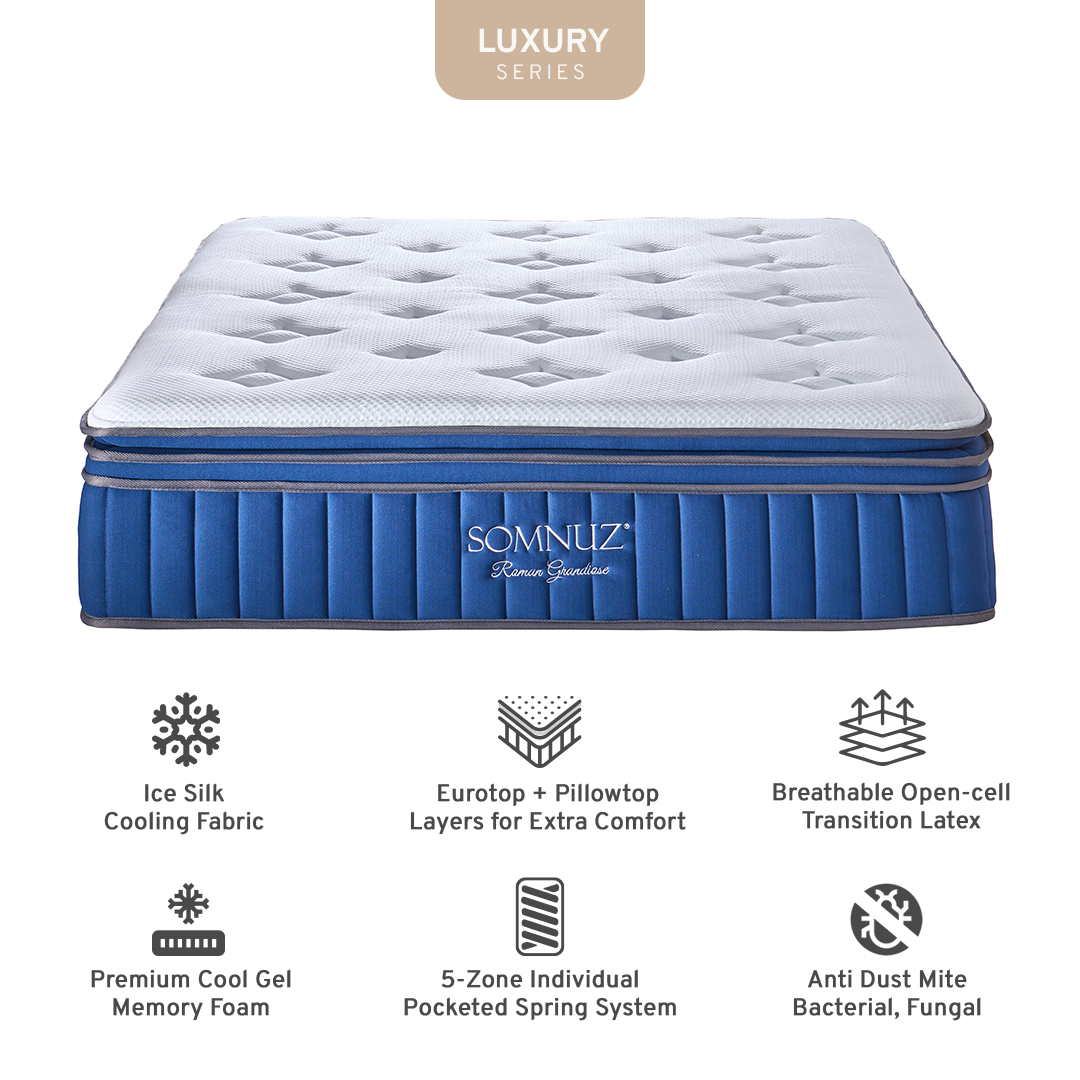
The Somnuz pocketed spring range uses individually encased coils that respond to body weight more precisely, which is the kind of construction that actually matters for spinal support rather than just a marketing label.
Comfort Layer Quality
A firm base alone is not sufficient for good spinal support. The comfort layer on top needs to fill in the gap at the lumbar region and relieve pressure at the hips and shoulders without allowing too much sinkage. Latex and memory foam are both used for this purpose, with different characteristics.
Latex is buoyant and keeps the body closer to the surface. Memory foam contours more deeply. For people dealing with lower back pain, latex tends to maintain spinal alignment better because it does not allow as much sinking. The Somnuz Comforto Latex Pocketed Spring Mattress combines pocketed spring support with a latex comfort layer, which addresses the underlying need that an orthopaedic label typically implies.
Firmness Range and Testing
If possible, test the mattress by lying in your usual sleeping position for at least a few minutes. Your spine should feel level, not arched or rounded. Your shoulders and hips should feel supported without being pushed upward by a surface that is too firm.
Back sleepers generally do well on a medium to medium-firm surface. Side sleepers need more cushioning at the shoulder and hip. Stomach sleepers, who put the most strain on the lumbar region, tend to do better on firmer surfaces that prevent the pelvis from sinking.
When to See a Professional
If you are dealing with chronic back pain, joint pain, or post-surgical recovery, a mattress choice alone is unlikely to resolve the underlying issue. A physiotherapist or orthopaedic specialist can give guidance on what sleep surface characteristics are likely to help your specific condition.
This matters because generic orthopaedic marketing often implies that a particular mattress will fix back pain, when in reality the relationship between mattress choice and back pain is more nuanced than that. The mattress can help or hinder, but it is one factor among several.
What to Prioritise When Shopping
Rather than searching for the orthopaedic label, look for mattresses with clear layer specifications, individually pocketed springs for adaptive support, a quality latex or memory foam comfort layer, and a firmness level appropriate for your sleeping position and body weight.
The full Somnuz mattress collection describes construction and materials for each product. For shoppers dealing with back pain or joint discomfort who want to compare options based on actual construction rather than labels, the Premium Series is a good starting point. For a more refined build with latex, the Luxury Series covers options that combine support with better breathability for Singapore's climate.
Final Thoughts
The orthopaedic mattress label tells you very little on its own. What matters is the actual construction: how the springs work, what the comfort layers are made of, and how the firmness level suits your body and sleeping position. Focus on those specifics and you will make a better choice than relying on a label that any mattress can carry without meeting a meaningful standard.